Category: Business

  • Electricity sector pensioners demand N34.9bn arrears

    Electricity sector pensioners demand N34.9bn arrears

    The Electricity Sector Retirees Welfare Association (ESREWA) has called for action on the lingering outstanding accrued rights and arrears amounting to N34.9 billion owed electricity sector pensioners.

    In a statement signed by its President, Elder Benjamin M. Amako, the association said the “N34.9 billion owed to us, the electricity sector pensioners was established in 2014 by NELMCO. We were even told by NELMCO that the money was approved and budgeted for onward payment to us. But till date unfortunately, we have not heard, seen, or received a dime.

    “We are joyful and grateful when we heard that Vice President Osibanjo has inaugurated the board. So in a special way, we thank President Buhari and his Vice for the job well done. We cannot stop praising them for the unrelenting effort towards ensuring that pensioners are well treated. Posterity we judge them well for this.

    “We are using to opportunity to urge President Buhari and Vice President Osinbanjo and the members board, especially the Minister of Finance to leave no stone unturned in ensuring we receive the entitlements of our life sweat. We have in the past written to President Buhari and Vice President Osinbanjo on the matter and we are once again calling on them to specifically help us.”

  • Dangote to cut sugar import by 40%

    Dangote to cut sugar import by 40%

    The management of Dangote Sugar Refinery Plc has said it is set to reduce the importation of sugar into the country by 40 per cent.

    The President, Dangote Group, Aliko Dangote, said in a statement that it was embarking on Phase II of its sugar project, which would cover over 100,000ha to make the sugar plant the largest in Africa, paving the way for employment of over 30,000 youths.
    Dangote said the integrated sugar complex would be located in Tunga, in the Awe Local Government Area of Nasarawa State, and comprises 60,000ha sugar plantation and two sugar factories with the capacity to produce 430,000 tonnes of refined white sugar per annum.

    It stated that, “According to the Trade Data Monitor, Brazil’s cumulative raw sugar exports to Nigeria in 2020/21 season was 1.62 million tonnes, while domestic cane sugar production has slumped from 75,000 tonnes to 70,000 tonnes, about 6.7 per cent decline within one year.”

  • Ecobank Nigeria unveils loans, remittances scheme

    Ecobank Nigeria unveils loans, remittances scheme

    Ecobank Nigeria has unveiled a special scheme on Back2School loans and remittances for all its customers.

    Head, Consumer Banking, Ecobank Nigeria, Korede Demola-Adeniyi said the loan offerings have been developed based on the bank’s understanding of the importance of education and tsco further support customers with the financial freedom they deserve.

    She stated that, as part of the scheme, Ecobank will also be providing Back2School gifts to customers when they receive inflows for school fees payment into their domiciliary account, stressing that, the bank has consistently shown its commitment and support across various customer segments.

    Mrs Demola-Adeniyi noted that, both new and existing individual customers of the bank can benefit from the scheme, highlighting that, this is the perfect time to open an Ecobank account or reactivate dormant ones, in both local currency (LCY) and foreign Currency (FCY) to enjoy all the benefits of the Back2School Scheme.

    According to her, “we are aware that our customers are diverse with different needs and belong to different segments of the society hence we are always coming up with initiatives like this to cater to our various target markets.”

  • Ibru: South-south can influence Nigeria politically if United

    Ibru: South-south can influence Nigeria politically if United

    Gboyega Akinsanmi

    Former Chairman of Ikeja Hotels Plc, Chief Goodie Ibru, has said South-south, a geo-political zone comprising six oil-producing states, can influence Nigeria politically if the people work in unity across the federation.

    Ibru therefore, called on the people of South-south that chose Lagos as their residence to work together and take advantage of numerous empowerment and investment opportunities in the state to better their lives and families.

    According to him, about six million people of South-south live in Lagos.

    He made these remarks at the inaugural general assembly of CREDAB Peoples Association held at the Airport Hotel, Lagos recently while expressing satisfaction at the creation of the movement of the South-south people.

    CREDAB, an acronym of Cross Rivers, Rivers, Edo, Delta, Akwa Ibom and Bayelsa, is a socio-cultural organisation that aims at uniting all the people of the South-south that live in Lagos.

    The assembly, mainly convened to foster robust cultural relations among its members, was attended by the National Leader of Labour Party, Prof. Pat Utomi; Senior Pastor, Trinity Church, Pastor Ituah Igodalo; Lagos Commissioner for Economic Planning and Budget, Mr. Sam Egube and CREDAB National Coordinator, Chief Lucky Oyakhere, among others.

    Speaking at CREDAB’s inaugural assembly in Lagos, Ibru urged the south-south people living in Lagos to take advantage of their numbers, currently standing above six millions, to benefit their lives, families and businesses.

    Ibru, who recently turned 80, observed that the South-south states “are all oil producing states. There are nine oil-producing states in the country. The others are Ondo, Abia and Imo States.

    “If we partner with other oil producing states, we can make up 25 percent of Nigeria. That also means that we are politically relevant. Consequently, we can determine the political future of this country to a large extent if we are united.”

    Ibru, former President of Nigeria Stock Exchange, further said Lagos “is very strategic, the fifth largest economy in Africa, although some say it is the third. Lagos is bigger than many member-states of the African Union.”

    He, therefore said: “Lagos is a place to be in because it has a wonderful economy and the development is enormous. In the South-south, we have a lot of commonalities.

    “We are endowed with natural resources, common culture and common heritage. It is only natural that we get together and forge ahead. I am pleased we are able to get together at last. We can leverage our number, which is over six million, to benefit from opportunities.

    “If we want to raise money today to help members of the South-south in Lagos and we get a contribution of N1, 000 from each member, we will have N6 billion. That will empower our people in Lagos State. That is significant,” Ibru said.

    In his remark at the assembly, Egube revealed that the association was created about two years ago to give people of the South-south a platform to have a voice as well as gain empowerment opportunities abound.

    Egube, currently Chairman, CREDAB Board of Trustees, said the executives of the association have sought a partnership with Lagos State Health Management Agency (LASHMA) to log in over 150 registered members of the association for free in the Lagos Health Insurance scheme.

    “We are glad to announce to us that because of the importance to the health systems and healthcare to our people. CREDAB has partnered with LASHMA on ILERA EKO to offer free healthcare insurance to over 150 registered members.

    He, therefore, urged members of the association “to tap into many of the programmes provided by the Lagos State Government like the LAGRIDE; empowerment schemes in the Ministries of Wealth Creation and Employment, Women Affairs and Poverty Alleviation and, as well, in Agriculture.”

    Also at the assembly are Commissioner for Wealth Creation and Employment, Mrs. Yetunde Arobieke; Permanent Secretary, Ministry of Agriculture, Mrs. Olatokunbo Emokpae and Director, Poverty Alleviation Department, Ministry of Women Affairs and Poverty Alleviation.

    They attended the assembly to enlighten over 800 members of CREDAB at the inaugural assembly on the numerous benefits of the state government empowerment initiatives.

  • GDP: Finance and Insurance sector grows by 29.90% in Q2 2022

    GDP: Finance and Insurance sector grows by 29.90% in Q2 2022

    In the second quarter of 2022, the Finance and Insurance sector grew by 29.90% in nominal terms.

    According to the National Bureau of Statistics’ most recent GDP report.

    Financial Institutions grew at a rate of 31.63%, while Insurance grew at a rate of 17.28%.

    The Finance and Insurance Sector consists of the two subsectors, Financial Institutions and Insurance, which accounted for 89.10% and 10.90% of the sector respectively in real terms in Q2 2022.
    The overall rate was higher than that of Q2 2021 by 31.76% points and lower by 2.39% points than the preceding quarter.
    Quarter-on-Quarter growth was -5.19%. The sector’s contribution to the overall nominal GDP was 3.63% in Q2 2022, higher than the 3.21% it represented a year previous, and lower than the contribution of 3.80% it made in the preceding quarter.
    Growth in this sector in real terms totalled 18.48%, higher by 20.96% points from the rate recorded in the 2021 second quarter and down by 4.76% points from the rate recorded in the preceding quarter.
    Quarter-on-Quarter growth in real terms stood at -5.96%.
    The contribution of Finance and Insurance to real GDP totalled 4.25%, higher than the contribution of 3.72% recorded in the second quarter of 2021 by 0.54% points, and lower than 4.51% recorded in Q1 2022 by 0.25% points.
    Nairametrics reported that Nigeria’s gross domestic product (GDP) grew by 3.54% year-on-year in real terms in the second quarter of 2022, an improvement compared to the 3.11% growth recorded in the previous quarter.
    On a year-on-year basis, the second quarter of 2022 growth rate decreased by 1.47% points from 5.01% growth rate recorded in the corresponding quarter in 2021. The oil sector GDP decline continued with a 11.77% dip year-on-year in Q2 2022, compared to a contraction of 26.04% recorded in Q1 2022.

  • Reps summon Auditor-General of the Federation over fuel subsidy payments

    Reps summon Auditor-General of the Federation over fuel subsidy payments

    The Nigerian House of Representatives has agreed to summon the Auditor General of the Federation, Mr Okolieaboh Sylvia, to provide documentary evidence on the audit of funds spent on fuel subsidies.

    According to the News Agency of Nigeria, this was revealed by Rep. Ibrahim Aliyu, Chairman of the Special Ad hoc Committee on Fuel Subsidies, in Abuja on Thursday.

    He stated that the Committee is looking for relevant financial transactions pertaining to the fuel subsidy for the time period under consideration.
    Rep Ibrahim Aliyu said the auditor General is to appear before on August 30 for an explanation of fuel subsidy payments between 2013 and 2022.

    They request that the auditor-general provides documentary evidence on the audit carried out on the monies spent on fuel subsidy by the Nigerian National Petroleum Corporation (NNPC) Ltd for the period.

    Rep Aliyu made this known during the scrutiny of documents submitted by the representative of the Accountant-General of the Federation (AGoF), Mr Okolieaboh Sylvia, who was represented by the Director, of Federation Accounts, Mr Mohammed Saleh.

    It also demanded AGoF to provide relevant financial transactions on the fuel subsidy for the period under review, citing a bid to ensure fair hearing as enshrined in the law. The committee said it was expecting the AGoF to appear before it on the 8th of September with relevant documents.

    It also urged the Auditor General to implement an independent monitoring system to verify the veracity of the transactions, citing the importance of due diligence after Rep. Mark Gbillah (PDP-Benue) identified some discrepancies in the amount computed in the NNPC documents.
    The costs of fuel subsidy in Nigeria increased by 890% over a five-year period (2017-2021) in Nigeria even though fuel prices have only increased by 12.1%.
    This was disclosed by socioeconomic research firm, SBM Intelligence in its report titled “Growing fuel prices and transport costs: Which way Nigeria.”

  • The most expensive Apple watch case is diamond encrusted and costs $15,000

    The most expensive Apple watch case is diamond encrusted and costs $15,000

    Apple Watches are already among the most expensive digital smartwatches available, but a new case designed by a Swedish company called Golden Concept has increased their price even further.

    The company’s most recent product is an Apple Watch case encrusted with 443 colourless, cut, and exceptionally clear diamonds. The titanium frame is carved from a single block. Because each piece is handcrafted, it takes about a week to complete.

    This Apple Watch case costs $15,000! The Golden Concept Diamond Edition is the world’s first and only Apple Watch case made with real diamonds.
    The watch case features VVS1-2, E-grade stones that are secured on a synthetic rubber strap. The rubber strap is also heat, cold, and chemical resistant. Each piece produced can be personalized with an engraving on the backplate.

    However, it is a limited-edition piece with only seven pieces available. The Golden Concept Diamond Edition can be used for either Apple Watch 7 or pre-ordered for the forthcoming Apple Watch 8 with the choice to personalize the case as well.

    Apple watch that cost fortune

    What you should know about the case
    It is only compatible with the Apple Watch Series 7 and the case is PVD plated titanium and is adorned with VVS1-2 diamonds.
    It is available in two case sizes: 45/44 mm: 44 mm x 51 mm, and 41/40mm: 42 mm x 48 mm. The wrist length is up to 25cm.
    It is also water resistant with a rubber strap and deployant buckle.
    The 45/44mm case weighs 107 grams (145 grams including the Apple watch), while the 41 mm case weighs 89 grams (121 grams including the Apple Watch).

  • BREAKING: Nigeria’s real GDP grows by 3.54% in Q2 2022

    BREAKING: Nigeria’s real GDP grows by 3.54% in Q2 2022

    Nigeria’s GDP increased by 3.54% year on year in real terms in the second quarter of 2022, an improvement over the 3.11% growth recorded in the previous quarter. This is according to the National Bureau of Statistics’ most recent GDP report.

    Year on year, the Q2 2022 growth rate fell by 1.47% points from the 5.01% rate recorded in Q2 2021. In Q2 2022, the oil sector fell by 11.77% year on year, compared to a contraction of 26.04% in Q1 2022.

    During the reference quarter, the non-oil sector grew by 4.77% in real terms (Q2 2022). This rate was 1.97% lower than the rate recorded in the same quarter of 2021 and 1.31% lower than the first quarter of 2022.
    This sector was driven in the second quarter of 2022 mainly by Information and Communication (Telecommunication); Trade; Financial and Insurance (Financial Institutions); Transportation (Road Transport); Agriculture (Crop Production) and Manufacturing (Food, Beverage & Tobacco), accounting for positive GDP growth.

    In real terms, the non-oil sector contributed 93.67% to the nation’s GDP in the second quarter of 2022, higher than the share recorded in the second quarter of 2021 which was 92.58% and higher than the first quarter of 2022 recorded as 93.37%.

  • Nigeria set to assemble electric vehicles, signs MOUs with Israeli, Japanese firms

    Nigeria set to assemble electric vehicles, signs MOUs with Israeli, Japanese firms

    The federal government has signed an agreement with Israeli and Japanese companies to assemble and manufacture environmentally friendly, green, electric, and smart automobiles by 2023.

    On Thursday, the National Agency for Science and Engineering Infrastructure (NASENI) announced a collaboration with Israeli, Japanese, and Nigerian companies in Abuja.

    According to Michael Freeman, Israel’s ambassador to Nigeria, the partnership, which combines Israeli, Japanese, and Nigerian technologies, will help address the many challenges affecting Nigeria’s transportation and environmental sectors.

    “It is a project in Nigeria that is a collaboration between Israeli, Japanese, and Nigerian companies.”
    “What is special about this project is that it is a timely project that combines Israeli technologies, Japanese technologies, Nigerian entrepreneurship and innovation together to create a project that is going to work fabulously.

    “We are talking about bringing electronic Motorcycles into Nigeria which will be a programme that is green, environmentally friendly.
    “It offers people a cheap way and safe way of transport and even has a technology to ensure that the motorcycles are only used for legal and appropriate purposes.

    “When we look at what the problems are in the world and in also in Africa and in Nigeria, we are talking about issues of fuel scarcity, we are talking about green technology, we are talking about the need to provide cleaner, cheaper, easier transport.

    ‘And here we are, having Israeli and Japanese companies coming together with Nigerian partners to provide cleaner, greener, newer, exciting technology that is expected to move people, population across the country.

    “I believe that a programme that is going to start in Nigeria will be successful and will go across Africa,” Freeman said.

    Prof. Mohammed Haruna, Executive Vice Chairman, NASENI, lauded the collaboration which he said had come to stay and would be domesticated in the country.

    Haruna said that this project Nigeria would see to the manufacturing of Nigerian made electrical vehicles in the nearest future.

    “The first attempt to domesticate certain technologies in this country, especially in the automobile industry has not worked with continuous importation.
    “NASENI has come into this now with the perfect partners, Japanese and Israeli companies their technologies are proven and known.

    “But most importantly, Nigeria will not just be consuming this technology, we are here to make sure that we domesticate, produce and manufacture in Nigeria.
    ‘We are grateful and we are happy with this collaboration and we assure Nigerians that the automobile industry after this collaboration will not be the same again,” Haruna said.

    Dr Ayal Raz, Representative of Israeli Company, Peramare Enterprise, said that against some perception, Nigeria was safe to invest.

    “This innovative idea, we believe is going to change so many things in the face of Nigeria.

    “It will bring green energy which means cheaper cost of transport and we all know what that means for our people.

    “It will give work to the people because it is industry, we are going to put a factory here, we will start with assembling then building. It will give us less pollution and greener air.
    “Nigeria is safe to do business and by the special grace of God it is going to come during the first quarter of 2023, “ Raz said.

    Mr Sasi Shilo, Chief Executive Officer (CEO), SIXAI, and Japanese Partner said that his company beyond production is keen on supporting the African continent, Nigeria build a sustainable nation with clean and safe technologies.

    “It is very exciting moment. We have been working in the automobile industry for about half a decade, we have certified plants in fourteen different countries.

    “We really want to contribute to African nation with our technology. What we want to bring is not only to produce but what we want to achieve is to support the African nation to be sustainable.

    “Through our products with safety and environmentally friendly features in our technology,” Sasi said.

    Wadada Aliyu, Chairman, PAN Nigeria Limited, described the initiative as historic and a starting point for technological evolution in Nigeria.

    “This is historic because Nigeria is conforming with the order of the day which is green environment and memorable because NASENI has set the ball rolling.
    “This synergy between Israeli, Japan, NASENI and PAN as a facility where the assembling will be done, I think the sky will be a starting point of technological evolution in Nigeria,” Aliyu said.

    The project was facilitated by Nigerian company, LINKSMAN International LTD.

    Mr Madisca Haruna, Managing Director, LINKSMAN International LTD said the project seeks to attain the Sustainable Development Goals (SDGs) 2030, Goal 7 which seeks to enhance international cooperation, facilitate access to clean energy research and technology.

  • Takeover: DisCos fight back, claim 32,000 jobs

    Takeover: DisCos fight back, claim 32,000 jobs

    Electricity distribution companies, DisCos, said they had succeeded in creating over 32, 000 jobs since privatisation.

    In a statement signed by the Executive Director, Research & Advocacy, the Association of Nigeria Electricity Distributors, ANED, Barr. Sunday Oduntan, on Wednesday, the DisCos they had created 32,573 as against 23,515 at privatisation

    The explanations became necessary following the recent takeover of some utility firms by the Federal Government.

    He also listed other achievements to include: increased metering from 2.3 million in 2013 to 4.7 million; installation of 129,352 distribution transformers as of 2020 versus 75,041 in 2013; increase of electricity distribution capacity from 15GW to 30GW post privatization; establishment of a new revenue collection of N777 billion; reduction of average Aggregate Technical Commercial & Collection Losses (ATC&C) estimated in excess of 56 per cent, pre-privatisation to 46.3 per cent, among others.

    While agreeing that the DisCos still had a long way to go to meet the service delivery requirements that would ensure consistent and stable electricity to their customers, ANED said the journey was a direct function of the level of investment attracted to the sub-sector, necessary for the capital expenditure that was critical for increased efficiency and performance.
    “Such investment is not likely to come into an environment in which there is no respect for sanctity of contract or ready expropriation of largely private assets is the norm. And there is no greater affirmation of this fact than the paucity of capital importation into the power sector, as indicated by the National Bureau of Statistics’ data, since the privatisation. The CBN’s commendable loan initiative to the DisCos was a clear recognition of the financing or access to capital constraint that is a product of the unfavourable operating environment of the DisCos.”

    The group argued that a long history of policy and regulatory inconsistency, worsened by a resort to violations of the rule of law, had significantly contributed to the poor performance of the sector.

    “Expropriation of electricity distribution companies (DisCos) outside the framework of the agreements reached under the privatization of these assets, with a more recent example of the thuggish ‘arrest’ or abduction of the MD-CEO of the Benin Electricity Distribution Company (BEDC) by, purportedly, rogue elements of the law enforcement apparatus, in enforcement of this expropriation, on Monday, August 15th, 2022. And the most recent related issue, a tussle between the federal government and BEDC on whether the restraining or Ex Parte order issued by a Federal High Court against the government on the expropriation, in favor of BEDC, has expired. A continued absence of the respect for the rule of law, the lack of policy and regulatory consistency cannot be what was envisioned under the National Electricity Power Policy, 2001 (NEPP), the foundation of the Electric Power Sector Reform Act, 2005 (EPSRA), the statutory basis for the privatization. NEPP envisioned an enabling environment that would encourage the mammoth private sector investment necessary to reverse historical government underinvestment in NESI, coupled with the injection of private sector ingenuity and expertise,” ANED argued.

    It also said nine years after the privatisation had largely been deficient, resulting in the limited performance of the DisCos and the larger Nigerian Electricity Supply Industry, NESI.

  • Nigerian tech start-ups can implement great ideas

    Nigerian tech start-ups can implement great ideas

    The chief executive officer (CEO) of Lognetics, Light Ihesiulo, has stated that with the right support from the government, Nigerian tech start-ups can implement great ideas. Speaking in a chat with journalists in Abuja, yesterday, Ihesiulo said Nigeria is blessed with brilliant young tech people that are facing the major challenge of funding. He called on government to support tech start-ups to grow the economy.

    He also lamented that a lack of access to finance has made it difficult for start-up businesses in the tech sector to grow. “Most of the challenges of start-up businesses in the tech industry is funding. I have friends who have brilliant ideas but don’t have the finance to power those ideas,” he revealed.

    The CEO shared an experience of how his company, Lognetics Company, a tech brand agency, also struggled for survival at the infancy level but was able to over due to strong determination. “Lack of commitment from the government is affecting the rate at which start-ups in the tech space grow in Nigeria. Imagine if we had funding from government, we would have been able to achieve a lot. In the course of building this agency, finance would have limited us. But we had to put in so much personal efforts to make sure we succeed,” he stated.
    As efforts to contribute to the tech world, Ihesiulo said Lognetics Company is bringing up products like the virtual reality system, offering customers the opportunity to have access to online products, adding that, “The company is strictly a product branding agency with a vision to solve human problems in accessing products online by incorporating a virtual reality system.”

    Read Also: Breaking: Katsina Emirate Kingmaker, Nuhu Abdulkadir, Is Dead

    He explained that the use of the virtual reality system with the implementation of augmented reality can create a 3D dissemination of an unreal world in the real world. “For instance, one will not necessarily have to go to a shop to buy new clothing. All you need to do is scan your body and the outfit you want will automatically appear on you. So, you know how the clothes look on you before you buy them. This is in line with E-commerce in clothing and fashion. What we are basically doing is that we are linking all the platforms into one system, converting most of the jackets online into visual elements that humans can interact with,” the CEO averred.

    He also disclosed that the company has three major services which are branding, soft wave development and influential development, adding that, “We will be launching these services on the 20th of September 2022.”

  • SpecSMART promises to deliver world class eye care services

    SpecSMART promises to deliver world class eye care services

    For patients seeking effective healthcare, SpecSMART has promised to provide high-quality optometry services such as primary eye care, premium quality frames, lens variants, contact lens fitting, and optical/ophthalmic services to Nigerians.

    This is even as it opens a store in Ikoyi, Lagos. SpecSMART is a world-class optometry clinic of the United Kingdom standard, promising to serve the over 50 million people in the country who require eye care that has become almost exclusive to a few.

    Dr. Clarence Nwokocha, Practice Head and Medical Director, SpecSMART, stated at the opening ceremony that quality eye care is one of the most important aspects of healthcare and that a gap in services has prompted the establishment of the new clinic.

    Nwokocha pointed out that with the unveiling of SpecSMART, patients would be able to have access to over 1,000 premium frames, contact lens fitting with sales and after-sales service, as well as international and designer sunglasses of a high standard at affordable prices.

    Read also: Bandits kidnap relatives of APC gubernatorial aspirant in Kastina

    He said SpecSMART will ensure on-the-spot glazing of spectacle prescriptions for standard lens prescriptions, fully automated quality eye examinations, full glaucoma care services, free registration for patients, world-class medical suite using automated digital equipment, and delivering a wide and comprehensive range of tests every day of the week, for flexibility of appointments.

    The medical director stated that, “lots of Nigerians complain that they don’t get the type of customer service they need, the prescription of frames, type of eye care required, and we are here as a UK standard clinic to offer them the best treatment in line with global best practices.
    “We are working towards opening another branch at the Lekki and Ikeja districts of Lagos State, to effectively provide our high standard services to Nigerians that desire quality eye care services,” Dr. Clarence stated.

    According to him, there will be 24 hours automated appointment scheduler via the clinic’s website platform, 12-hour online customer care service, and eye care plans according to customers’ budgets and preferences, from skilled, licensed optometrists that would guarantee top-notched optometric and optical services to achieve accurate diagnoses.

  • Breaking: NBC revokes licenses of AIT, Silverbird TV, 50 Others

    Breaking: NBC revokes licenses of AIT, Silverbird TV, 50 Others

    The National Broadcasting Commission (NBC) has revoked the broadcast licences of 52 broadcast stations across the country due to over-indebtedness to the regulatory commission.

    Since 2015, the stations have owed the Commission N2.6 billion.

    Africa Independent Television (AIT) and its sister radio station, Raypower FM; Silverbird Television; and 49 other stations throughout the country are among the debtor-stations.

    The NBC’s director-general, Malam Balarabe Shehu Ilelah, made the announcement while briefing journalists in Abuja on Friday, saying there was no political undertone to revoking the licences of the debtor-broadcast stations.
    Ilelah urged the stations to pay their fees before 24 hours to avert total disconnection.

    Read Also: Malami accused of plotting to extradite Nigerians in disregard to Court’s proceedings

    Earlier, in May 2022, he said the NBC published in the national dailies, the list of licensees that are indebted to the Commission, and granted them two weeks to renew their licenses and pay their debts or consider their licenses revoked, frequencies withdrawn and the withdrawn frequencies reassigned to others who are ready to abide by the necessary requirements.
    Ilelah said three months after the publication, some licensees were yet to pay their outstanding debts, in contravention of the National Broadcasting Commission Act CAP N11, Laws of the Federation of Nigeria, 2004, particularly Section 10(a) of the third schedule of the Act.

    In view of this development, he said the continued operation of the debtor-stations is illegal and constitutes a threat to national security.
    “Therefore, after due consideration, the NBC hereby announces the revocation of the licenses of the under-listed stations and gives them 24 hours to shut down their operations. Our offices nationwide are hereby directed to collaborate with security agencies to ensure immediate compliance,” the NBC DG stated.

    Other affected stations are Rhythm FM (Silverbird Communications Ltd), Greetings FM (Greetings Media Ltd), Tao FM (Ovidi Communications Ltd), Zuma FM (Zuma FM Ltd), Crowther FM (Crowther Communications Ltd), WE FM (Kings Broadcasting Ltd), Linksman International ltd, Bomay Broadcasting Services Itd, MITV (Murhi International Group Ltd), Classic FM (Pinkt Nigeria Ltd), Classic FM (Pinkt Nigeria Ltd), Classic TV (Pinkt Nigeria Ltd), Beat FM (Megalectrics LTD), Cooper Communications Itd, Splash FM (West Midlands Ltd), Rock City FM (Boot Communications Itd), Family FM (Kalaks Investments Nig. Ltd), Space FM (Creazioni Nig. Ltd), Radio Jeremi (Radio Jeremi ltd), Wave FM (South Atlantic Media Itd), Kogi State Broadcasting Corporation, Kwara State Broadcasting Corporation, Niger State Broadcasting Corporation, Breeze FM (Bays Water ltd),Vibes FM (Vibes Communication ltd) and Family Love FM (Multimesh Broadcasting Co. ltd).
    The rest are Gombe State Broadcasting Corporation, Lagos State Broadcasting Corporation, Osun State Broadcasting Corporation, Ogun State Broadcasting Corporation, Ondo State Broadcasting Corporation, Rivers State Broadcasting Corporation, Bayelsa State Broadcasting Corporation, Cross River State Broadcasting Corporation, Imo State Broadcasting Corporation, Anambra State Broadcasting Corporation, Borno State Broadcasting Corporation, Yobe State Broadcasting Corporation, Sokoto State Broadcasting Corporation, Zamfara State Broadcasting Corporation, Kebbi State Broadcasting Corporation, Jigawa State Broadcasting Corporation, Kaduna State Broadcasting Corporation, and Katsina State Broadcasting Corporation.

    Speaking further, the NBC DG said all broadcast stations who have not renewed their licenses for the current duration are advised to do so within the next 30 days to avoid sanctions.

    Read Also: Shettima’s nomination as Tinubu’s running mate, right choice – Group

    “The Commission also call on all IPTV (Internet Protocol Television) and all other broadcast stations that are streaming online to register with the Commission to avoid disconnection.

    “Broadcasters should note that having a DTT or FM license does not warrant a broadcaster to stream online; they are two different licenses,” he noted.

    He added that they’ve been in talks with the media houses for more than a year, but they refused to revert.

  • Economic diversification through modular irrigation

    Economic diversification through modular irrigation

    Successive administrations have praised plans to diversify the Nigerian economy away from crude oil. Since crude oil was discovered in Nigeria, it has become the mainstay of the Nigerian economy, with other sources of revenue largely abandoned.

    According to this school of thought, the discovery of oil was both a blessing and a curse for the country.

    To buck the trend, President Muhammadu Buhari has prioritised agriculture as one of the ways to diversify the economy.
    We recall that the president launched the Agricultural Promotion Policy (APP) which expired in December 2020. The policy was designed to ensure the provision of the required legislative and agricultural framework, macro policies, security, infrastructure, and institutional mechanisms to allow farmers access to essential inputs, finance, information, agricultural services, and markets.

    The government launched the Anchor Borrowers’ Programme (ABP) in November 2015, to boost agricultural production and reverse Nigeria’s negative balance of payments on food.

    The program targets those cultivating cereals (rice, maize, wheat, etc.) cotton, roots, tubers, sugarcane, tree crops, legumes, tomato, and livestock. Loans are often disbursed to the beneficiary farmers through banks. Upon harvest, the farmers repay by taking their harvests to ‘anchors’ who pay the cash equivalent to their bank accounts.
    The President praised the nation’s farmers for the record production of rice and other food commodities, expressing satisfaction that the agricultural policies of the administration are working to good effect.

    Speaking to the elected Local Government Council chairmen from Katsina state on a visit to pay homage to him marking the Sallah on Friday in Daura, Katsina State, said his administration had taken various decisions including the closure of land borders for two years for the benefit of farmers who were the driving force of the rural economy, expressing happiness that these had worked well for the nation.

    Recently the administration went one step further in its plans to make agriculture one is the mainstay of the Nigerian economy. President Buhari approved N24 billion for the National Agency for Science and Engineering Infrastructure (NASENI) for the execution of a smart modular irrigation project.

    Executive Vice Chairman/CEO of NASENI, Professor Mohammed Sani Haruna, disclosed this to State House Correspondents after a meeting with the President at the Presidential Villa.

    According to him, the modular irrigation project would enhance agricultural development in the country, enabling farmers to produce crops three times round the year.

    He said “last week, the President approved N24 billion for smart irrigation system, on request by NASENI. So, it is his thought if our money is remitted, why asking for further funding? Just to clarify the situation, not because of any other things, to know the status. And, of course, to give him exactly, as the Chairman of the Board NASENI, he should know to the last Kobo, what do we have, what don‘t we have, to guide his decisions on matters”.

    Read Also: Atiku pledges to give states power to generate, transmit and distribute electricity if elected president

    “it is for the modular irrigation system. We have acquired 10-hectare farmland on lease in Adamawa State, using water from River Benue, where this pilot scheme is starting and it is estimated that, based on the technologies to be used there, it is possible to have three multi-crop seasons in a year, commencing from October this year, God willing.

    “The monies are for the pumps, the structure, the farming techniques, the farmers, the officers, the offices that are needed, the vehicles, and the administrative management, up to the period that we will have this demonstration farm, using modular irrigation system first model. The first model in the sense that this one we‘re drawing water from River Benue, of course, solar powered.

    It is instructive to note that the irrigation project will see the facility tap water from the Benue River, the main tributary of the Niger River, to supply farmers in the target area.

    Modular smart systems

    Water will be distributed through modular smart systems for sustainable agriculture. The smart devices would combine centralized watering technologies and soil moisture sensors to significantly reduce water consumption in times of drought. The future facilities will also help preserve the soil in Adamawa State, allowing farmers to produce crops three times a year.

    To save water resources, the Federal Government of Nigeria is also promoting center pivot irrigation. This is a form of overhead irrigation, replicating artificial rainfall. It is suitable for flat land like that found in northern Nigeria. However, it is not suitable for growing certain cereals such as rice, which require a lot of water. In 2019, Kebbi and Zamfara states benefited from nine center pivot irrigation systems. The new facilities are improving agricultural production in the Sokoto-Rima river basin.

    Experts have commended the president for the modular irrigation project. Recall that President Buhari has always insisted that Nigeria should grow what we eat.

    Indeed, producing crops three times a year will in no time bring down the prices of food in the country as the farmers will even have enough to export. Presently oil seems to be a major earner of forex for the country.

    NASENI will be at the forefront of executing the modular irrigation project.Irrigation systems are critical infrastructures for the world‘s food supply. Using a modern modular irrigation system, we get the best result in agriculture.

    Explaining the funding of the agency, Professor Haruna said the statutory 1% of the Federation Account meant to be drawn for its running is dedicated to the execution of some priority projects that had been approved by the government.

    “The application of these funds is in some priority projects approved by the government. The capital components include payment of 15% of the local counterpart funding for three key projects in the Power sector; the development and production of solar cells locally; the development and production of electric power transformers and the third one is a high voltage testing laboratory.

    “Now, these are projects with 85% funding support from China, which is part of what is approved and being implemented in the 2021/2022 Borrowing Plan. That is number one and in that, out of the $48,879,103, representing 15% of what Nigeria is paying as the 15% counterpart funding based on the money remitted to NASENI in the first and third quarters. $23,928,063 had been remitted in these two quarters.

    “The other areas of application of this fund include the development and domestications of technologies NASENI has to acquire from a partnering organization in Italy, de Lorenzo, in the production of technical science laboratory equipment for primary school, secondary school, and tertiary institutions.

    Read Also: Shettima’s nomination as Tinubu’s running mate, right choice – Group

    “The third component is the development of skills development centers in six geopolitical zones. For now, one each per zone. The fourth component of application of this fund is in the development of three out of 12 new centers approved by the President for different states of the federation and of course, continue research and development, reverse engineering, and assembly of some military equipment in collaboration with two different private companies, that is Nigeria Machine Tools Limited, Oshogbo and PROFORCE, manufacturer of some military hardware, based in Ogun State, and of course, completion of the remodeled NASENI headquarters.

    “These are priority areas where these funds have been applied. The briefings also included the newly developed equipment and machines that are needed to have mechanized farming. This simple, but needed equipment includes cultivation equipment, for planting, for weeding, for processing, harvesting, up to food preservation”, he said.

  • FG seeks N225bn new bonds from investors

    FG seeks N225bn new bonds from investors

    The federal government held its regular primary auction of new bond issuances on Monday in order to raise another N225 billion from the domestic capital market.

    However, the outcome of the auction was unknown at the time of publication.

    Investment firms increased their pre-auction marketing efforts for the new issuances over the weekend, with tallies surveyed across many firms indicating that the new issuances may be oversubscribed.

    In the last two months, the government has raised over N450 billion from the domestic capital market through bond issuances.

    The prospectus issued by the Debt Management Office (DMO), which oversees the federal government’s debt issuances and management, stated that the government would raise N225 billion by reopening three previously issued mid-to-long term bonds.
    The bonds being reopened include the 13.53 per cent 10-year bond, which matures in March 2025. Also being reopened is the 10-year, 12.50 per cent bond, which matures in April 2032 and the long-term 20-year bond with initial coupon of 13.00 per cent and maturity date of January 2042. The previous stop rates for the bonds are 11.00 per cent; 13.00 per cent and 13.749 per cent respectively.

    The government plans to raise N75 billion each from the three bonds, totaling N225 billion. Nigeria depends on regular debt issuances to finance budget deficits as poor infrastructure and insecurity continue to threaten government’s revenue.

    The DMO had reported that Nigeria’s total public debt stock increased to N41.6 trillion or $100.07 billion by the end of first quarter 2022, 5.16 per cent or N2.04 trillion increase on N39.56 trillion or $95.78 billion recorded as at December 31, 2021.

  • Federal Govt facilitates process to end gas flare by 2025, inaugurates 12-man team

    Federal Govt facilitates process to end gas flare by 2025, inaugurates 12-man team

    The Nigerian Upstream Petroleum Regulatory Commission (NUPRC) announced the formation of a 12-member Flare Gas Commercialisation Programme Team to support the federal government’s initiative to eliminate gas flaring by 2025.

    Engr Gbenga Komolafe, the commission’s chief executive, stated over the weekend that gas flaring in the oil and gas industry has remained a threat that must be eliminated due to its negative impact on the environment and people.
    Komolafe stated that monetising gas resources is a positive step towards guaranteeing energy security, especially in the global energy transition period. He said as a nation, Nigeria must ensure that it harnesses all available gas resources for value creation.

    He announced that NUPRC is recommencing the process of issuing flare sites to technically competent companies, following a competitive bid process.

    This process has become crucial in view of the policy direction of the federal government to ensure all gas resources are developed for National development.

    He stressed that the wasteful disposal of natural gas is not only fraught with serious health/environmental consequences but is also a major resource waste and value erosion to the country.
    “Against this backdrop, the federal government declared the period 2021 to 2030 as the “Decade of Gas”, a period within which the nation must shift focus from oil-centred exploitation to gas-driven industrial development.

    “Even though the World Bank has set 2030 as the target year to end gas flaring, Nigeria has not only set a country deadline for 2025, President Muhammadu Buhari made a commitment toward the Paris Agreement during the COP26 Leaders’ Summit to achieve Net Zero carbon emissions by 2060.

    In 2016, the Federal Government initiated the Nigerian Gas Flare Commercialisation Programme (NGFCP) to end the flaring of natural gas by oil companies operating in the country.

    Komolafe lamented that though the initiative was well-received by stakeholders and industry watchers, unforeseen constraints truncated its execution.

    He revealed that the Commission is currently carrying out a study in conjunction with external technical resources to identify suitable flare sites for the auction process. It was for this purpose that the committee of staff of the Commission was inaugurated to drive the process and coordinate the implementation of the programme.

    The steering committee members are K.O. Ofoegbu and O.I. Anyanechi; while A.T. Adeyiga, J.O. Ogunsola, J.C. Anyanwu, A.O. Okwah, O.E. Oje, N.E. Odega, K. R. Abisoye, J. C. Echendu, C. I. Chukwukaelo and G. L. Umoru from the programme team.

    Komolafe urged the committee to carry out its mandate bearing in mind the over-arching significance of the programme to the socio-economic well-being of the nation.

    He appreciated the support from the USTDA, USAID and other stakeholders and reiterated the Commission’s commitment to ensuring that the programme is expeditiously executed.

    The inauguration was witnessed by a delegation from USAID comprising Mr Oladiran Adesua, Jennifer Ifeanyi Okoro and Andrew Smith.

  • NSITF blames termites over unknown N17.128bn spending as Senate rages

    NSITF blames termites over unknown N17.128bn spending as Senate rages

    On Friday, current and former management of the Nigeria Social Insurance Trust Fund (NSITF) ran into trouble in the Senate for failing to justify spending of N17.158 billion in 2013 with required evidential documents, some of which were allegedly eaten up by termites.
    According to the 2018 Audit report, the total amount of money tansfered by NSITF from its Skye and First Bank accounts into various untraceable accounts belonging to individuals and companies from January to December 2013 was N17.158 billion.

    In the 2018 Audit report, the Auditor-office General’s raised 50 different questions about alleged misappropriation of funds by agency management, which are being investigated by the Senate Committee on Public Accounts.
    Specifically on the N17.158billion unsubstantiated transfers made by NSITF , the query reads: “Management of NSITF as shown in statements of Account No. 1750011691 with Skye bank plc, for the period 1st January, 2013 to 20th December, 2013, and Statements of Account No.2001754610 with First Bank Plc for the period 7th January, 2013 to 28th February, 2013, transferred amounts totalling N 17,158,883,034.69billion to some persons and companies from these accounts.

    Read Also: Police arrested father suspected of kidnapping, killing his 15-year-old daughter in Kogi

    “However, payment vouchers relating to the transfers together with their supporting documents were not provided for audit. Consequently, the purpose(s) for the transfers could not be authenticated.

    “These are in violation of Financial rule 601 which states that “All payment entries in the cashbook/accounts shall be vouched for on one of the prescribed treasury forms. Vouchers shall be made out in favour of the person or persons to whom the money is actually due.

    “Under no circumstances shall a cheque be raised, or cash paid for services for which a voucher has not been raised”.

    In sustaining or vacating the query, the Senate Committee headed by Senator Mathew Urhoghide (PDP Edo South), interrogated NSITF’s past and present managements on where monies totalling N17.158billion were transferred to between January and December 2013.

    But neither of the managements could offer satisfactory explanations on the undocumented multiple transfers as those at the helm of affairs in 2013 told the committee that documents like vouchers were left behind by them while the present Managing Director of NSITF, Dr Michael Akabogu, said no documents of such is in their kitty .

    “The Container the said documents were kept by past management has not only been beating by rains over the years but even possibly been eaten up by termites.

    “As directed by this committee, I told the past management officers on the need for them to help us out in answering this query with necessary documents which have not been made available for us,” he said.

    However in his submissions, the Managing Director of NSITF from 2010 to 2016, Mallam Umar Munir Abubakar, said he was unaware of the query and have no explanations for it since the audit was not carried out during his tenure .

    But his successor, Mr Adebayo Somefun, who was head of the agency from May 2017 to July 2020, said those in the account section should be able to trace the documents which the current General Manager Finance , alleged to have been locked up in an abandoned container within the premises of the Trust Fund in Abuja.

    Irked by submissions of the past and present NSITF officials, the committee through its Chairman, Senator Urhoghide, descended heavily on them by ordering them to re – appear before the committee with all the requested evidential documents unfailingly on Thursday, September 22, 2022.

    Read Also: It’s destructive culture to pay striking workers – APC Chieftain, Lukman

    “This committee has given you people more than enough time to respond to queries slammed on NSITF in the 2018 Audit report by the office of Auditor General of the Federation.

    “The queries are 50 in number ranging from one misappropriation to the other in billions of Naira . The one on N17.158billion multiple transfers carried out in 2013 has not been answered at all , not to talk of N5.5billion allegedly diverted into a commercial bank account without approval, N2.2billion unauthorised Investment without adequate records etc.

    “These are completely unacceptable and the committee will make sure that these queries are sustained if required evidential documents on monies spent or misappropriated, are not provided,” he said.

  • eNaira: CBN launches sensitisation fair in Nasarawa

    eNaira: CBN launches sensitisation fair in Nasarawa

    Speaking while launching the 2-day fair in Lafia on Thursday, the CBN Director of Corporate Communications, Osita Nwanisobi, said the sensitisation programme tagged ‘Promoting Financial Stability And Economic Development’, was to educate residents of the state on Interventions, Policies and Programmes of the CBN and to encourage them to start using the eNaira for financial transactions.

    He mentioned the interventions to include Anchor Borrowers Programme, Commercial Agriculture Credit Scheme, Solar Energy Interventions, Family House Ownership Scheme, Programmes for MSMEs, Health, Manufacturing, among others.
    He said, “This CBN sensitisation fair is all about talking to the people and letting them know about our policies and programmes. It is also to hear from them on how they feel about these policies and how commercial banks treat them, to enable us proffer solutions to their challenges.

    Read also: 2023: Be sensitive, don’t sell your birthright – Bishop Oyedepo to youths

    “Another reason for the fair is to encourage them to start using the eNaira, which is the Central Bank Digital Currency. If you look at what is happening across the world, you will observe that the economy is being digitalized and so, for us in Nigeria, we need to keep pace with technology.

    “The eNaira is the same thing with the naira that all Nigerians use. It does the same work as the naira and it is acceptable everywhere, so before the end of the programme, we hope to onboard many residents of the state who are yet to download the eNaira wallet.”

    One of the beneficiaries of the CBN’s intervention programmes who spoke on behalf of the others, Danlami John, thanked the Apex Bank for implementing policies aimed at lifting the less-privileged citizens from the shackles of poverty, and promised to utilise the knowledge gained from the sensitisation fair to advance their businesses.

  • ACReSAL critical to lifting 100m Nigerians

    ACReSAL critical to lifting 100m Nigerians

    The federal government has stated that the Agro-Climatic Resilience in Semi-Arid Landscapes (ACreSAL) project is critical to lifting 100 million Nigerians out of poverty.
    Mr. Mohammed Abdullahi, Minister of Environment, stated this on Monday at the ACreSAL technical workshop in Lagos.

    In collaboration with the World Bank, the workshop is being organised for the Ministries of Environment, Agriculture, and Water Resources.

    “The ACReSAL Project is a critical component of President Muhammadu Buhari’s environmental sustainability strategy.” And improving community livelihoods in order to lift 100 million people out of poverty,” Abdullahi said.

    He stated that his enthusiasm for the ACReSAL project allowed him to gain a better understanding of the environment portfolio and its connection to society as a whole.

  • Nigeria loses N891bn to gas flaring

    Nigeria loses N891bn to gas flaring

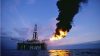
    According to data released on Sunday by the Nigerian Oil Spill Monitor, an arm of the Nigerian Oil Spill Detection and Response Agency, NOSDRA, Nigeria lost N891 billion due to gas flaring in 18 months.

    According to the data, the country lost N707 billion in 2021 and N184 billion in the first half of 2022, for a total loss of N891 billion.

    According to the NOSDRA report, oil and gas companies in the country flared a total of 126 billion standard cubic feet, SCF, of gas in the first half of 2022, resulting in a loss of $441.2 million (about N183.54 billion) in the six-month period.

    In contrast, approximately 23,862.271 barrels of oil (3,770,238.864 litres/119 tanker trucks) were spilled in 2021.
    Brent International was sold for an average of $71 per barrel in 2021, bringing total revenue loss in that year to $1.7m.

    The estimation put the equivalent of the volume of gas flared in the first half of 2022 to carbon dioxide, CO2 emission of 6.7 million tonnes in the oil producing areas, 4.56 per cent higher than the 120.5 billion SCF of gas flared in the second half of 2021, and capable of generating 12,600 gigawatts hours of electricity.

    On the other hand, the quantity of gas flared in the first six months of 2021 was capable of generating 14,000 gigawatt-hour of electricity, and an equivalent of 7.4 million tonnes of CO2 emission.
    Giving a breakdown of the gas flared in the country in the first six months of 2022, the agency disclosed that while companies operating in the offshore oilfields flared 62.2 billion SCF of gas, companies operating onshore flared 63.9 billion SCF of gas, valued at $223.6 million.

    In 2021, there were around 382 publicly available oil spill records. Out of the 382 occurrences, a total of 33 of these oil spill sites were not visited by a joint investigation team, and 122 of these had no estimated quantity of oil spilled provided by the companies involved.

    Two major oil spills were recorded in 2021, with over 250 barrels spilled into inland waters, or over 2,500 barrels spilled on land, swamp, shoreline and open sea, the report said.

    A total of seven medium oil spills incidents were recorded in 2021, with 25-250 barrels spilled into inland waters, or 250-2,500 barrels spilled on land, swamp, shoreline and open sea.

    In terms of minor oil spills, about 239 cases were recorded as up to 25 barrels spilled into inland waters, or 250 barrels on land, swamp, shoreline and open sea.
    About 174 of the spills were under 10 barrels in size, while 128 oil spills could not be categorised, according to the report.

    According to the NOSDRA report, gas is burnt off or flared as part of the oil production process.

    Read Also: Debt servicing to hit N10.43tn, economists slam FG

    However, the Federal Government had, in recent years, led campaigns for gas monetisation as against flaring.

    NOSDRA lamented that despite efforts to reduce gas flaring, it had been flared in Nigeria since the 1950s, releasing carbon dioxide and other gaseous substances into the atmosphere, and had continuously led to environmental and health challenges in oil producing areas.

    Chairman, Society of Petroleum Engineers, SPE Nigeria Council, Prof. Olalekan Olafuyi, stated in an interview that the Federal Government would increase gas flaring penalties as Nigeria raced towards achieving its commitment to the United Nations net zero goal by 2060.

    Although he did not state how much increase the flare rates would attract, he stated that the Council was working closely with the Nigerian Upstream Petroleum Regulatory Commission, NUPRC.

    “We are working closely with the Nigerian Upstream Petroleum Regulatory Commission, and I can categorically say that companies who flare gas will now pay more than those utilising it. So, it will be to their advantage to start thinking of ways to utilise their gas instead of flaring them,” he said.

    Currently, companies producing more than 10, 000bpd pay a fine of $2 per 1000 Standard scf of gas flared. Companies producing less than 10, 000bpd pay $0.5 per 1000bpd, while they pay $0.5 per 1000scf of gas flared.

    In 2020 alone, natural gas valued at $1.24bn was flared by oil companies.

    Deputy Managing Director, Deep Water, TotalEnergies EP Nigeria, Victor Bandele, stated that Nigeria was better off when it converted all gas flared into commercial use.

    President Muhammadu Buhari had, in June, ordered for the full audit of the accounts of Hydrocarbon Pollution Remediation Project, HYPREP (a body in charge of oil spill cleanup in the Niger Delta) from inception to date, and also approved the reorganisation of its operations.