Category: Business

  • Debt servicing to hit N10.43tn, economists slam FG

    Debt servicing to hit N10.43tn, economists slam FG

    According to the 2023-2035 Medium Term Expenditure Framework & Fiscal Strategy Paper, the Federal Government projects that debt servicing will cost N10.43 trillion by 2025.

    This is an 182.66 percent increase over the N3.69tn budgeted for debt service in 2022.

    Multilateral agencies and economists have repeatedly warned the Federal Government about the rising cost of debt service, which could lead to a country-wide crisis.

    However, the Minister of Finance, Budget, and National Planning, Dr Zainab Ahmed, and the Director General of the Debt Management Office, Patience Oniha, have insisted that the country does not have a debt problem, but rather a revenue challenge.
    In a document by the DMO DG recently obtained by our correspondent, the DMO stated that high debt levels would often lead to high debt services and affect investments in infrastructure.
    According to the DMO DG, “High debt levels lead to heavy debt service which reduces resources available for investment in infrastructure and key sectors of the economy.”

    In the document, she stressed the need for debt sustainability, which she defined as the ability to service all current and future obligations, while maintaining the capacity to finance policy objectives without resort to unduly large adjustments or exceptional financing such as arrears accumulation, debt restructuring, which could otherwise compromise the economy’s stability.

    Speaking at the launch of the World Bank’s Nigeria Development Update titled, ‘The urgency for business unusual,’ held recently in Abuja, the finance minister had admitted that Nigeria was struggling to service its debt.

    She said, “Already, we are struggling with being able to service debt because even though revenue is increasing, the expenditure has been increasing at a much higher rate, so it is a very difficult situation.”

    The International Monetary Fund had earlier warned that debt servicing might gulp 100 per cent of the Federal Government’s revenue by 2026 if the government failed to implement adequate measures to improve revenue generation.

    According to the IMF’s Resident Representative for Nigeria, Ari Aisen, based on a macro-fiscal stress test that was conducted on Nigeria, interest payments on debts might wipe up the country’s entire earnings in the next four years.

    Aisen said, “The biggest critical aspect for Nigeria is that we have done a macro-fiscal stress test, and what you observe is the interest payments as a share of revenue, and as you see us in terms of the baseline from the federal government of Nigeria, the revenue of almost 100 per cent is projected by 2026 to be taken by debt service.

    “So, the fiscal space or the amount of revenues that will be needed and this, without considering any shock, is that most of the revenues of the Federal Government are now, in fact, 89 per cent and it will continue if nothing is done to be taken by debt service.”

    Less than two months after Aisen’s warning, the finance minister disclosed that Nigeria’s debt service cost surpassed its revenue in the first four months of this year.

    Debt service gulped N1.94tn between January and April 2022, as against a retained revenue of N1.63tn.

    According to a recent report, the Federal Government exceeded its debt service allocation by N1.15tn for the period between January and November 2021.

    A copy of the public presentation of the 2022 approved budget by the finance minister showed that the Federal Government allocated N3.32tn for debt servicing in 2021.

    Read Also: In Ajaokuta, Kogi, two police officers, Indian expatriate killed, others kidnapped

    However, the minister’s presentation document showed that a total of N4.2tn was spent on debt servicing in 11 months, indicating a difference of N1.15tn or 37.9 per cent of the money allocated for debt servicing for the period.

    It was also reported that Nigeria’s debt servicing bill increased by 109 per cent, from N429bn in December 2021 to N896bn in March 2022.

    A report by the Nigerian Economic Summit Group and the Open Society Initiative for West Africa has disclosed that Nigeria and 10 other Economic Community of West African States countries are currently in debt distress based on debt sustainability analysis.

    The 10 other countries are: Benin, Burkina Faso, Cabo Verde, the Gambia, Ghana, Guinea Bissau, Liberia, Niger, Senegal, and Togo.

    It was further disclosed in the report that public debt accumulation for these countries was becoming unsustainable and needed to be addressed to avert the looming debt crisis.

    The report warned that the possibility of a debt crisis in Nigeria would adversely affect public and private investments, as well as other sectors of the country.

    The World Bank recently said that Nigeria’s debt, which might be considered sustainable for now, was vulnerable and costly.

    According to the Washington-based global financial institution, the country’s debt was also at risk of becoming unsustainable in the event of macro-fiscal shocks.

    Experts have kicked against the Federal Government’s proclivity for debt, which they have described as unsustainable.

    Economists slam FG’s debt proclivity

    The Chief Executive Officer of Centre for the Promotion of Private Enterprise, Dr Muda Yusuf, said that the Nigerian economy had been characterised by diverse economic vulnerabilities, which included rising public debt and debt service burden.

    He said, “Debt service to revenue ratio for the first four months of the current year is over 100 per cent. The implication of this is that the actual revenue of the government over the period is not sufficient to service debt. Therefore, financing of the operations of government – personnel cost, overhead cost, capital expenditure, and even part of the servicing of the debt – will have to come from additional borrowing. These portend severe vulnerabilities for the Nigerian economy.”

    A Professor of Development Macroeconomics at the University of Lagos, Prof Olufemi Saibu, criticised the government for over-borrowing.

    He said, “I think we are over-borrowing. We continue to rely on international benchmarks, which make us lazy in terms of revenue generation.”

    Prof Saibu urged the government to lessen its huge expenditure costs and channel money into more productive sectors of the economy.

    “With our current heavy infrastructure debt financing and the low productivity in the local economy, the government needs to find a way of reducing its expenditures. We need to redirect the government’s finances to areas that are productive and borrow less for consumption,” he said.

    In addition, Prof Saibu said that the government needed to look inwardly and borrow domestically rather than externally, which would lessen the burden of debt service.

    Read Also: 1,615 APC members defect to PDP in Adamawa, set to meet Atiku

    He said the government should stop saying the country had the capacity to borrow more, and refrain from ballooning already outsized debts.

    Prof Saibu advised that the government should engage the private sector in the area of infrastructure development to reduce the weight on the public sector.

    A Professor of Development Economics at Babcock University, Prof Adegbemi Onakoya, said that borrowing was not an issue but the value obtained from it.

    He also said that Nigeria had a revenue problem, which had made the country rely more on debt financing.

    Prof Onakoya also said that there was a problem when money borrowed was not judiciously applied for productive purposes or programmes that would help production.

  • W’Bank commits $8.5bn to Nigeria, faults N6.7tn subsidy

    W’Bank commits $8.5bn to Nigeria, faults N6.7tn subsidy

    The World Bank has committed $8.5 billion to Nigeria to fund critical issues ranging from agriculture to education.

    The World Bank Country Director to Nigeria, Shubham Chaudhuri, revealed this on Thursday in Abuja during a summit organised by the Emergency Coordination Center, noting that the amount was the largest of any country.

    He noted that it was still insignificant in comparison to Nigeria’s needs, but emphasised that approximately $2.5 billion to $3 billion of the fund had been channelled toward education.

    “Half of Nigeria’s population is under the age of 17. “This implies that there is a need to invest in human capital development,” he explained.
    He noted that the future of Nigeria depended on the ability of the young people to go to school , stressing that it was important to make schools safe to ensure that fewer children were out of school.

    Read Also: Muslim-Muslim ticket’ll not affect South-South votes – Delta APC

    He further said it was Nigeria’s call to determine how it would mobilise its financial resources to enable young Nigerians to go to school or whether its scarce resources would be used to subsidise petrol with over N6.5 trillion.

    Africa’s most populous nation is mobilising N6.7 trillion for petrol subsidies at the expense of education and health. About 10.1 million children are out of school, according to the education ministry, but a report suggests it is up to 18.5 million.
    Analysts have described Nigeria’s insistence on subsidies as financial indiscipline, noting that it would have adverse consequences on the Nigerian economy.
    For Professor Jonathan Aremu, a former CBN Assistant Director and Senior Lecturer at Covenant University, subsidy distorted the market, making it difficult for products to find their real value.

    “In economics, subsidy is always bad. Yes, quite a lot of people depend on fuel, which is why they have continued to subsidise petrol, but we don’t know how much is really spent on subsidy.”

    He explained that the next government should not just remove subsidies, but also provide incentives that would alleviate the sufferings of Nigerians.

    Professor of Energy Economics at Nnamdi Azikiwe University, Uche Nwogwugwu, said the removal of subsidy would be a step in the right direction.

    However, he said removing petrol subsidy at the moment would cause untold hardship and social unrest for Nigerians, suggesting an alternative route Nigeria could take.

    “It’s completely true that the burden is weighing and will continue to weigh on the economy. Some discrete facts are here to help save the country.

    “The PIA has made NNPC a limited liability company that can seek profit. This is a good base for solving the subsidy. It is acknowledged that the nation has been subsidising consumption and now she wants to channel to production. Expanding the market locus to include neighboring countries of Cameroon, Ghana, Niger, Mali and Sudan where it is sold for about N300- N400 equivalent per liter will recoup all monies and also bring profit.

    Read Also: Lalong as Tinubu’s campaign DG re-awakens zeal in APC, says Dati

    “It will also completely eradicate the activities of smugglers. Under Africa free trade charter, NNPC can sell to neighboring countries while giving the nation a breathing gap to solve the domestic disequilibria,” he suggested, noting that this could enable the country to fix the subsidy imbroglio.

  • Informal markets will drive Nigeria’s sustainable power supply

    Informal markets will drive Nigeria’s sustainable power supply

    After eight years of successful editions, Informa Markets has announced that Power Nigeria has now evolved into Nigeria Energy, a transformation designed to keep Nigeria’s leading event at the forefront of the rapidly evolving energy sector.

    According to Informa Markets, “Nigeria Energy was rebranded from Power Nigeria in 2020 to reflect the evolving nature of producing electricity and delivering energy security.” This strategic move builds on the legacy of Power Nigeria and takes the event to a new level, ensuring it meets the needs of Nigeria’s people, businesses, and industries.”
    According to the statement, following a two-year break, Nigeria Energy will return to take place in Lagos from September 20 to 22, 2022.

    Read Also:Police arrest 23 night thugs in Gombe

    “In addition to an exhibition featuring some of the largest and most innovative power companies, from conventional thermal power generation through to transmission and distribution (T&D) and renewable energy and energy storage, Nigeria Energy will provide a thought leadership platform for key government stakeholders and private sector companies and investors from across the world to connect, share ideas and knowledge and find solutions to meet Nigeria’s growing energy needs.
    “Accelerating Nigeria’s sustainable energy supply, the show will provide a blueprint for Nigeria’s power sector in the coming years to not only improve access to electricity but also drive economic growth and create jobs across West Africa.

    “New this year, the Nigeria Energy Conference Steering Committee has been formed to address the current challenges and opportunities within the African power market and have been pivotal in providing direction to the conference theme.
    “Some of the confirmed committee members are from Nigerian Electricity Regulatory Commission; Transmission Company of Nigeria; Rural Electrification Agency; Federal Ministry of Power, Nigeria; National Assembly, Nigeria; Women in Renewable Energy Association and more.”

    Exhibition manager, Energy portfolio MEA, Informa Markets, Ade Yesufu, said: “the Nigeria Energy exhibition is a one-stop-shop where you can be rest assured to engage with the highest level of decision-makers and international partners that have a role in creating value while addressing the needs inherent to the lingering challenges within the Nigerian power market.”

    Read Also: Libya instability responsible for banditry, terrorism in Nigeria – Buhari

    Yesufu noted that the exhibition sees support from the industry with SkipperSeil Limited, a global leader in power and infrastructure, confirmed as the Main Sponsor, Simba Group as the Platinum Sponsor, Tranos as the Gold Sponsor, while Eaton, Lucy Electric, and Jubaili Bros are confirmed as Silver Sponsors.

    Nigeria Energy is a key platform gathering contractors, developers, investors, project owners and utilities to meet and develop reliable power solutions for the country’s peak energy demand and pave the way for decentralisation.

  • Buhari Approves Commercial Operation of Lekki Deep Seaport

    Buhari Approves Commercial Operation of Lekki Deep Seaport

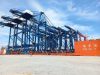
    President Muhammadu Buhari has approved the designation of Lekki Deep Seaport as a Customs Port and Approved Wharf.

    In a statement posted on the Nigerian Ports Authority’s (NPA) official social media handles on Friday, the President approved the new port for commercial vessel berthing via the Ministry of Transportation to the NPA’s managing director, Mohammed Bello-Koko.

    The NPA also stated that as a result of the approval, the port will be ready for commercial vessel berthing by the end of 2022.

    “President Muhammadu Buhari has approved the designation of Lekki Deep Seaport as a Customs Port & Approved Wharf,” NPA wrote.

    “In a letter to the Ministry of Transportation, the Managing Director, Mohammed Bello Koko, secured approval for the port to be gazetted in accordance with existing laws.”

    “With this approval, the port will be ready for commercial vessel berthing before the end of the year.”

  • Only 10% of FCT residents pay tax – FCT-IRS

    Only 10% of FCT residents pay tax – FCT-IRS

    Haruna Abdullahi, Acting Chairman of the Federal Capital Territory (FCT) Internal Revenue Service (FCT-IRS), has suggested that only 10% of registered taxpayers in the nation’s capital pay their taxes.

    This means that 90 percent of FCT residents who are registered for tax do not file returns.
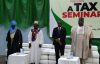
    He made this remark during a day-long tax seminar in the nation’s capital aimed at reviving the culture of filing tax returns.

    Abdullahi explained that, in response to this challenge and to mitigate its impact, the Service had introduced Key Account Managers (KAM), who follow up with taxpayers one on one.

    According to him, “from our records, the number of taxpayers under the PAYE scheme is approximately 120,000, with half of the figure comprising staff of Federal Government Ministries, Departments, and Agencies (MDAs) on the IPPIS platform, as well as those working for the FCTA and the Area Councils.”

    “This implies that 90% of FCT residents registered for tax do not file their tax returns, implying that only 10% of registered taxpayers file their tax returns.”

    “In response to this challenge and to mitigate the impact, the Service has introduced Key Account Managers (KAM), who follow up with taxpayers one on one,” he explained.
    The chairman was hopeful, however, that the seminar would address the issue of low tax compliance among residents, as taxes and levies are the most sustainable source of public finance.

    “It is therefore prudent that we develop measures to best mobilise our internal resources,” he added.

    According to the Ag chairman, when the Service took over tax administration in the FCT from the FIRS in 2015, the highest amount collected was about N48 billion, but by 2021, the Service had collected more than N100 billion, with an additional N26 billion in recoveries of unremitted With-holding Taxes (WHT).

    Read also: Katsina NNPP petitions INEC to disqualify Tinubu, Atiku from office

    ‘”This year, we intend to increase our collection to N150 billion and are well-positioned to recover some unremitted taxes and levies, bringing us to a targeted collection figure of N200 billion,” he said.

    Abdullahi stated that with improved compliance by the remaining residents, the Service can provide a consistent annual tax income of N300b to N400b, allowing for high employment, reducing low income, and providing enhanced services to residents.

    The Ag chairman emphasised the importance of reviving the culture of filing tax returns because it is critical to providing funding for the government to deliver public services that are critical to the FCT’s long-term development.

    “Recalling our starting point and where we are now will help steer the conversation in the desired direction,” he said.

    Dr. James Naiveju, Managing Director of JK Consulting, urged the legislature, the judiciary, public servants, and professionals to ensure timely and complete filing of their tax returns in his keynote address.

    According to Naiveju, if all FCT residents agree to file their tax returns correctly, the economy will improve and the poverty rate will decrease.

    He, on the other hand, urged the FCT-IRS to simplify the tax return process by making it electronic and accessible via smartphones and other devices.

    “A proud resident of the Federal Capital Territory has a moral and civil responsibility to file their tax returns with utmost patriotism to the fatherland.”

    “There must also be patriotism, determination, and political will on the part of the authority to ensure that citizens file their tax returns on time.”

  • IMF warns of a global ‘recession’

    IMF warns of a global ‘recession’

    In an update to its global growth forecast released Tuesday, the International Monetary Fund (IMF) warned of global economic risks that, if unchecked, could push the world into recession.

    The IMF blamed high inflation and the risks posed by Russia’s invasion of Ukraine for putting the global economy in jeopardy, adding that “worst case” scenarios are possible.

    According to IMF Chief Economist Pierre-Olivier Gourinchas, “the world may soon be teetering on the brink of a global recession, only two years after the last one.”
    Gourinchas added that the current environment suggests that the “likelihood that the US economy will avoid a recession” is “quite narrow.”

    What is the IMF’s forecast?

    In 2022, global GDP growth will slow to 3.2 percent. The new estimate comes after the IMF predicted 3.6 percent growth. April of this year.

    “The outlook has darkened significantly since April,” Gourinchas said.

    “The world’s three largest economies, the United States, China, and the eurozone, are stalling, with significant consequences for the global outlook,” he added.
    According to the update, global GDP contracted in the second quarter due to downturns in China and Russia.

    China’s economy, battered by COVID-19 lockdowns and a real estate-driven debt crisis, is expected to grow at 3.3 percent, down 1.1 percentage points from previous estimates.

    The IMF also reduced its growth forecast for 2023 from 3.6 percent in April to 2.9 percent.

    Read Also:  ASUU: Nasarawa NLC Joins Nationwide Protest in Solidarity

    Global growth had recovered to 6.1 percent last year after the COVID-19 pandemic decimated output in 2020.

    The IMF forecast is ‘extraordinarily uncertain.’

    The IMF stated in its most recent forecast that its forecast is “extraordinarily uncertain.” Russia’s invasion of Ukraine has pushed up energy and food prices, destabilising economies and households around the world.

    Further monetary tightening may be required as prices rise and people’s lives are disrupted. In advanced economies, inflation is expected to level off at 6.6 percent, though the US and Germany have already recorded higher monthly year-on-year rates.
    One “possible” worst-case scenario involves a complete cutoff of Russian energy to Europe, with an additional 30% drop in Russian energy exports. This could reduce growth to 2.6 percent this year and 2 percent next year.

    In such a scenario, growth in Europe and the United States would be near zero. Only five times since 1970, including during the pandemic, has global growth fallen below 2%.

    Inflation in developing economies could reach more than 9%, though many developing countries have already hit this mark and seen rates rise far above it.

    In contrast, the Russian economy has already contracted by 6% this year as a result of Western sanctions, though next year’s contraction is expected to be 3.5%.

  • ASUU: Money lessons for Nigerian undergraduates

    ASUU: Money lessons for Nigerian undergraduates

    As the Academic Staff Union of Universities’ ongoing strike continues to make many undergraduates redundant, DEBORAH DAN-AWOH examines key lessons that students can learn to achieve financial independence before terminating their academic programmes.

    In the last five months, Nigerian undergraduates at government-owned universities have seen their educational pursuits come to a halt due to a strike called by lecturers for a variety of reasons, the most serious of which is a lack of funding for public universities.

    However, this is not breaking news, as university teachers have been striking for nearly as long as the country has existed. It is an obnoxious reality that has become so common in the Nigerian education system.

    In fact, the issue of strike action, particularly by ASUU, has become so entrenched in Nigeria’s educational system that fewer than 20 months have been lost in the last five years due to the never-ending squabble between the government and the varsity lecturers.
    For students, being caught in the crosshairs of this fight between two elephants is always a very unsettling experience, because every undergraduate typically dreams of graduating in record time in order to move on to the next chapter of life. However, if meticulously and purposefully harnessed, the downtime caused by these frequent industrial actions could be used as a dress rehearsal for how to achieve financial freedom before entering the volatile labour market.

    Indeed, given the current economic situation, it goes without saying that establishing the framework for achieving financial freedom before graduating from university will likely increase any young person’s chances of building a successful career.

    This is due to the fact that the fleeting nature of life itself often causes the transition from being a student (who has all of his needs met) to having to face a vast new world of providing for oneself to unfold so quickly that one has great difficulty adapting to the changes that come with it.
    As a result, starting a side hustle before graduating from university becomes a much-needed intermission that helps students cope with the changes that come with this new world.

    Read Also:  Police rescue three traditional worshippers from kidnappers in Edo

    Because financial ignorance has dominated many people’s minds, side hustles may be able to translate into long-term careers. This is most likely due to the perception that university is a time of discovering one’s passion, refining one’s path, partying, falling in love, adventure, and exploration.

    According to the Wall Street Brothers’ book “Efficiency,” financial decisions or any choice people make compound by 20%.

    Especially since the harsh realities of the Nigerian economy have dimmed the hopes and dreams of many university students.

    Ifeoluwa Oladapo, a 24-year-old undergraduate at the University of Lagos, said she had high expectations when she started school. Nonetheless, it appeared that the strike had put her life on hold.

    “To be honest, I’m sick of it all. I miss school and earning extra money from uncles and aunties. I am currently studying Marine Biology, but I am also an entrepreneur who specialises in cakes and pastries, which is the one thing that has kept me sane. When I’m not making pastries, I help run our family restaurant.”

    Learning to bake while waiting for university admission was one of Oladapo’s best decisions.
    “I’m glad I learned to bake back then because raising funds wasn’t easy.” But I thank God for my family, who stood by me at the time. If not, I would have been financially dependent on this country.”

    Oladapo explained that saving her business profits and reinvesting them in other types of equipment had also yielded interest.

    “I can now charge more because I know how much I have invested personally to achieve this level of professionalism.” Even though I make a lot of money, I don’t waste it on frivolous things. “I only buy what I need and save the rest.”

    Stepanie Anene, an undergraduate studying Mass Communications at the National Open University, said that her professional career in voice-over had opened doors for her financially.

    According to her, the first financial lesson she learned was that in order to make money, one does not have to follow the path chosen in school.
    “I discovered I had a talent for voice acting.” Surprisingly, I’ve never had any formal training. I began by posting my content on Instagram. I began by contrasting the pronunciation of British and American accents.

    “Access Bank was the first company to contact me about a job. I was intrigued; I didn’t know anything about pricing at the time, so whatever they offered, I accepted.”
    Anene, who is still in school, revealed that she worked from home and earned thousands of naira as a freelancer.

    “Since I began this in 2019, I’ve received direct messages from people in Kenya, Ghana, South Africa, and the United States.” It was then that I realised that many people, like me, want to break free from the constraints imposed by society or education.

    “One thing I tell people is to start anywhere, anyhow.” Take the first step and then watch what happens. As an undergraduate, I earn no less than N100,000 per month from voice-over work.

    “When people ask me how they can start making money for themselves or feel limited because of the course they are studying, I tell them it doesn’t matter. As a doctor, you can become a comedian and be amazed at how your life will turn out.”

    In a country like Nigeria, only a few people, according to Anene, studied what they were passionate about. “You can work in any field as long as you want to make a side income,” she says.

    Given the technological disruption and Nigeria’s backward movement against the tide of innovation and advancement, setting long-term goals to invest in knowledge and skills will ensure that young people are valuable enough to get future jobs and secure financial freedom.

    Marvelous Eniwaye, a 100-level student at the Federal University of Technology, Akure, stated that the strike “has dampened my zeal towards my studies.” I had planned to do some educational things before the strike, but the strike has stymied my plans. Again, it has caused me to be retarded.”

    Marvelous revealed that despite the strike, he had found a way to spend his time learning relevant digital skills.

    “Right now, I’m brushing up on my computer repair and maintenance skills at a computer centre.” I’m learning UI/UX design, but I’m just coasting because I don’t have a personal system. I occasionally use the shop’s system because I don’t require any specialised applications.”

    As things stand, the rhythm of skill acquisition and implementation has shifted. Even if the nation takes a back seat in the grand scheme of things, young people can embrace the new change and the future of work to close the poverty gap.

    While some undergraduates are using the strike to lay the groundwork for a secure financial future, experts have advised that other students who haven’t absorbed this culture should start making hay while the sun shines.

    Read Also:  Amaechi and Tinubu’s allies disagree on vote-buying allegation

    Dr. Udu Yakubu, biographer and publisher of May University Press Limited, stated that despite the economic situation, university students should understand that every stage of life passes quickly.

    “Money lessons for undergraduates are that when getting part-time jobs, you can’t rule out the possibility of getting free money from parents and loved ones.”

    Whatever it is, the point to emphasise is the need for students to be enterprising whether they are still in school or not.

    White-collar jobs, according to Yakubu, had become obsolete.

    “There aren’t many jobs out there.” Being enterprising means that if they are thrown into the labour market with their degree or qualification, they can do a lot for themselves if they have learned how to manage the few resources that have come their way.”

    Undergraduates must comprehend the significance of financial independence. Experts also advise that once they are out of school, most of them do not have access to free money in the form of allowances.

  • MPR Hike: Borrowers Face Difficult Times

    MPR Hike: Borrowers Face Difficult Times

    The Monetary Policy Committee’s (MPC) decision to maintain a hawkish stance and raise the benchmark interest rate has caused consternation not only in the financial industry, but also among organised private sector operators who believe the hike will further restrict their access to credit.

    The MPC raised interest rates for the second time this year in an attempt to slow the country’s rapidly rising inflation. Following its two-day meeting last week, the committee increased the monetary policy rate by 100 basis points to 14% from 13%, while maintaining the asymmetric corridor at +100 and -700 basis points around the MPR, the CRR at 27.5%, and the liquidity ratio at 30%.
    Its main reason for the hawkish stance is soaring inflation, which has risen to 18.6 percent as of June 2022, and is expected to rise further in July, with the year’s average hovering around 18 percent.

    According to the CBN governor, the MPC has decided to keep raising benchmark interest rates as long as the country’s inflation remains high. However, private-sector analysts and operators argue that this decision is detrimental to economic growth.
    Banks had readjusted their lending rates in response to the 150 basis point rate hike in May, which increased the MPR to 13% from 11.5 percent. Prior to the rate hike in May of this year, lending rates in the banking industry ranged between 12 and 40%, but as of July 15, lending rates ranged between 12 and 44%.

    According to Dr Muda Yusuf, the founder and CEO of the Centre for the Promotion of Private Enterprise (CPPE), the tightening would only exacerbate the plight of those in the manufacturing sector and many entrepreneurs in this economy.
    Noting that the move will result in higher lending rates, he stated that many entrepreneurs and manufacturers are already indebted to banks, “which means that the banks will now be reviewing the terms of the credit.”

    “This is what happened the last time MPR was increased by 150 basis points.” So it will rise now, but it is unlikely to affect inflation. Two months ago, MPR was raised. Inflation has risen since then. Because this economy is not based on credit.” As a result, monetary policy tools cannot be used to correct an inflationary problem caused by supply side issues. There will be no tangible results; instead, it will make life more difficult for those who are investors in the economy, who are already dealing with a slew of issues. They are dealing with issues such as high diesel prices, high electricity tariffs, currency depreciation, high inflationary pressures, and deteriorating purchasing power. You’re also raising the cost of their credit. So I don’t think this is good for the economy because the economy isn’t as credit-driven as it used to be.

    “In Nigeria, private sector credit to the economy is less than 20% of GDP.” It is over 100% in South Africa. The United States, to which we refer, has increased policy tightening by more than 200 percent. That demonstrates the amount of credit held by the private sector in comparison to what we have in Nigeria. So, in my opinion, it will not accomplish much. What we must do is concentrate on supply-side issues. Let’s see what you can do about the skyrocketing diesel prices. To see what we can do, we need to use fiscal policy measures such as import duties and tariffs. Our refineries need to be repaired. Let us consider what we can do about foreign exchange, which the CBN did not address adequately.
    “There is a nearly N200 premium between the official window and the parallel market window.” MPC made no mention of it at all. This is a major emergency. We must also address the issue of food insecurity, which is causing food inflation because people are unable to work on farms. That we must address the extent to which the CBN is funding the government deficit. According to the reports, that is enormous, and it is also highly inflationary,” he stated.

    According to Ayokunle Olubunmi, the head of Financial Institutions Ratings at Agusto & Co, the additional hike is unlikely to have any effect on taming inflationary pressures in the country. Noting that the MPC’s decision to tighten further caught everyone off guard. “We were of the opinion that they would hold the rates for now, at least for this meeting, and then we would probably see a hike from the next meeting,” he said.

    “The question then is to what extent will the CBN continue to hike rates,” Olubunmi said, referring to the CBN governor’s statement that tightening will continue as long as inflationary pressures remain. The problem with inflation in Nigeria is that it is supply driven rather than demand driven, and it is primarily caused by forex and other factors.

    “I don’t think this will tame inflation because, despite raising the MPR by 150 basis points at the last meeting, the rate on treasury bills remains very low.” Although banks have tried to raise their rates, the yield on treasury bills remains low.

    mary, I doubt it will have a significant impact on inflation.

    “This is because what is driving inflation is not an excess supply of cash, although what the CBN is probably trying to do is see if if the domestic market rate is high, it might discourage people from moving into dollar investment, keeping more money in the economy and reducing pressure on the exchange rate and reserves.”

    “I doubt it will directly tame inflation.” The higher the rates, the more expensive it is for people to borrow, and the more expensive it is for people to borrow, the slower economic growth will be.

    In addition, Cordros analysts stated in an emailed note, “prior to this meeting, we expected the Committee to keep the key policy rate unchanged to allow previous policy actions to fully permeate the economy while using development finance initiatives to ease supply constraints.” Although the Committee agreed with our assessment that the previous hike had not permeated the economy sufficiently, we believe the decision to hike was prompted by the higher month-on-month inflation reading in June.

    “The higher month-on-month increase indicates that further tightening of monetary policy is required to effectively curb the persistent inflationary pressures.” Furthermore, we believe the MPC is attempting to be proactive – ahead of the US Fed, which is expected to raise its key policy rate by 75 basis points at its next meeting on July 27 – in order to limit the impact on the domestic economy.

    “In fact, the Committee emphasised that the tightening was required to (1) signal the bank’s strong determination to aggressively address its price stability mandate and (2) narrow the real interest rate gap.” Further, the Committee stated that, while output growth remains fragile, failure to contain rising consumer prices now could undermine the modest gains made in improving consumer purchasing power, worsening poverty levels. As a result, the Committee advised the CBN to continue using its development finance initiatives to keep output growth in mind.

    “Overall, we believe that the pace of monetary policy tightening by systemic global central banks at their July policy meetings, as well as what happens to global growth and inflation following that, will provide much-needed guidance as to how the MPC will react going forward.” If global inflationary pressures persist and key economies avoid recession, we expect global central banks to continue raising interest rates aggressively to combat persistent inflationary pressures.

    “In that case, we anticipate the MPC raising the MPR by 50 basis points at its September policy meeting in order to limit external pressures in the face of rising yields in advanced economies.” However, if advanced economies do not avoid recession, we expect global central banks to slow their interest rate hike cycle. As a result, we anticipate the MPC deferring raising the MPR until the November policy meeting in order to reduce the burden on government borrowing costs.”

  • CBN blames banks for frustrating use of eNaira

    CBN blames banks for frustrating use of eNaira

    Almost a year after President Muhammadu Buhari launched the Central Bank Digital Currency (CBDC), known as the eNaira, it has yet to fully permeate the financial industry, a situation the Central Bank of Nigeria (CBN) blamed on the country’s banks’ uncooperation.

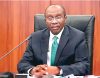
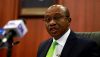
    The governor of the Central Bank of Nigeria, Godwin Emefiele, stated last week that the use of the enaira for transactions has not begun as planned due to “apathy” by bankers who try to discourage their customers from transferring funds from their bank accounts to the enaira wallet.
    While answering a question about the bank’s progress on the enaira project, Emefiele stated that while there has been some progress, “we will admit that there is a need for a lot more enlightenment for enaira.”

    The enaira was launched in October of last year, making the country the second in the world to launch a CBDC. The enaira was created to promote cashless transactions, reduce transaction costs, and bring more people into the financial system.

    While urging Nigerians to not only download the app but also transfer funds from their bank accounts into their wallets for ease of transaction, Emefiele stated that “there may be a little bit of resistance to you from the banks.”

    “This is because moving money from your account to your wallet is a disadvantage to the banks.” I want to say something bold and direct. It is a disadvantage for them. I’ll be blunt because I’m a banker: banks are apathetic because they know they’ll lose money if you continue to use your enaira wallet for transactions.”

    Read Also:  Zinox Group Starts Nationwide Recruitment of Unemployed Graduates

    He stated that using the enaira is “almost free, at least for the time being.” So, go to your bank and request that your account be linked to your wallet. It will cost you little or nothing in comparison to the other products you have that would cost you money in the bank.”

    Meanwhile, Emefiele stated that the CBN is moving on to the next phase of the enaira and is collaborating with telecommunications company, MTN Nigeria, to activate the use of USSD code for enaira transactions in the country.

    “Until now, we’ve concentrated on the banked population.” We are almost finished testing with MTN to provide a channel where the unbanked can sign up using the code *997#. We believe that once this is completed, we will be targeting the unbanked population. We will also use available agency banking arrangements and other means to drive our enaira product.”

    He also stated that the CBN, in collaboration with the Bankers Committee, will increase its education programmes to raise awareness about the enaira, adding that the publicity “will continue to go on.”

    Our people will continue to educate others about the benefits of enaira.

    “I must say that the enaira is the product with the lowest cost in terms of moving money electronically from one location to another.” Today, I learned that people are using the enaira on Remita.net to make purchases. You can use the enaira to pay for DSTV and government bills. You can buy airtime and conduct a variety of other transactions using the enaira at the lowest possible cost.”

  • SON receives FG approval to return to ports

    SON receives FG approval to return to ports

    Ambassador Mariam Katagum, Minister of State for Industry, Trade and Investment, applauded the recent approval obtained by the Standards Organisation of Nigeria (SON) to return to the ports in order to collaborate with the Nigerian Customs Service (NCS) to combat the menace of substandard at all entry points in Nigeria.

    She also reaffirmed his ministry’s commitment to assisting SON in carrying out its mandate.
    Katagum made the announcement at the 9th African Day of Standardisation 2022 in Lagos, which was co-hosted by SON and the African Organisation for Standardisation (ARSO) and was themed “Promoting the African Pharmaceutical and Medical Device Industries through Standardisation.”

    As a result, she urged the SON and all regulatory authorities involved in the industry to redouble their efforts to ensure that only goods and services that meet the established standards are available in the country.

    Read Also:  Anambra Vigilante Leader and Three Others Arrested For Kidnapping For Ransom

    She did, however, say that the day is celebrated annually on the African continent to create and promote awareness on issues relating to standardisation and conformity assessment among ARSO member countries.

    She stated that the theme was very appropriate, given that the world is still dealing with the Covid-19 pandemic, and that it speaks to the need for Africa and Africans to pay greater attention to promoting home-made solutions to some of the challenges confronting the continent, in accordance with the laid down standards.
    According to her, the need to accelerate the development of the pharmaceutical industry on the continent became more apparent in the aftermath of the Covid-19 Pandemic, which restricted the movement of goods and services globally.

    She stated that the implementation of the African Continental Free Trade Area (AfCFTA) has transformed the African continent into a single massive market, giving Africa a competitive advantage in trading with other continents as a whole.

    She emphasised that SON, as a founding member of ARSO and one of the driving forces behind the development of continental standards as well as the harmonisation of National Standards across the continent, has consistently and positively projected the country’s image.

    “The federal government of Nigeria has evolved policies and strategies to promote not only the growth of the pharmaceutical industry, but also financial support through special intervention funds and repositioning of the industry for more investments.” “These efforts have endeared the Nigerian pharmaceutical industry to investors,” she said.

    She stated that in order to strengthen support for the pharmaceutical and medical industries, the Federal Ministry of Industry, Trade, and Investment is currently developing a policy framework for the development of the Health Industries Corporation of Nigeria in collaboration with key stakeholders (HICON).

    Read Also:  In Osun, police officer killed in a gun battle with kidnappers

    Previously, SON Director General Mallam Farouk Salim stated that policies, guidelines, and regulations enacted by African governments to facilitate the development of the pharmaceutical industry in Africa will be reinforced.

    He added that harmonising standards in the pharmaceutical industry would create an opportunity for the African pharmaceuticals market, which is expected to reach a $45 billion business opportunity due to a convergence of changing economic profiles, rapid urbanisation, increased healthcare spending and investments.

    The SON chief added that the African Union Pharmaceutical Manufacturing Plan for Africa (PMPA) implementation is focused on improved access, quality, availability, and affordability of pharmaceutical products, as well as increased economic benefits through the industry’s sustainability, competitiveness, and self-reliance.

    He emphasised some of the challenges confronting the continent’s pharmaceutical industry, such as strengthening regulatory systems resulting from Africa’s small fragmented markets, saying that weak regulatory frameworks and incoherent trade policies remain important.

  • Zinox Group Starts Nationwide Recruitment of Unemployed Graduates

    Zinox Group Starts Nationwide Recruitment of Unemployed Graduates

    As part of its efforts to alleviate the harsh economic crunch on youths, leading technology conglomerate, the Zinox Group, recently offered employment to a batch of unemployed Nigerian graduates who successfully completed its internship programme.

    The successful graduates were among the second batch of participants who completed a 30-day intensive Mini-MBA training programme organised by the Zinox Institute of Technology (ZIT).

    Participants were exposed to world-class trainings, job-suitability scenarios, and capacity building workshops across a variety of management functions, including Accounts, Procurement, Core Engineering, Software Development, Business Development, Etiquette and Grooming, and HR/Admin, among others. The sessions were facilitated by a faculty of over 20 highly regarded resource persons, with the Zinox Group Chairman, Leo Stan Ekeh, taking time out of his busy schedule to mentor the participants.

    The initiative, which the management of Zinox revealed is part of its contributions to giving hope to many Nigerians amid the ongoing difficulties in the local and global economies, received over 5,000 applications from qualified graduates across the country.
    ally, the recruitment will continue in batches, with successful candidates from the scheme being immediately absorbed into any of the Zinox Group’s various entities.

    Read Also:  In Osun, police officer killed in a gun battle with kidnappers

    While urging the successful candidates not to betray the trust placed in them, Ekeh also urged them not to lose faith in Nigeria.
    He warned them to avoid negative sentiments or news reports about the country’s future, noting that the Nigerian economy has been through tough times in the past, while also expressing optimism that it will emerge stronger from its current challenges.

    “Those of you chosen have a once-in-a-lifetime opportunity to rewrite your own and the lives of those around you. I purposefully revealed the source of our minor successes to you. So, I encourage you to work hard, avoid vices, and repay the trust placed in you. For the ladies, this is possibly the only group of companies in the world with five CEOs who are globally certified women. So you should work with pride because you earned it.” Also, despite the current economic challenges, we have only scratched the surface of the enormous potential that exists in the Nigerian economy. I urge you to disregard any negative projections about Nigeria.

    “In the twenty-first century, many people talk, but you have to be selectively deaf to succeed. Regardless of the current difficulties, maintain faith and belief in the future of a more prosperous Nigeria. I am confident that it will improve soon. “On our part, we will continue to do our best to provide opportunities for deserving beneficiaries to reach their full potential,” he concluded.

  • ITF, others move against unskilled Population in Nigeria

    ITF, others move against unskilled Population in Nigeria

    The Industrial Training Fund (ITF) and other labour sector stakeholders declared on Tuesday that Nigeria should make the most of its rapidly growing population by employing a skilled workforce.

    The Manufacturers Association of Nigeria (MAN) has specifically tasked ITF with leveraging a 3 million euro grant in the pipeline to produce more skilled workers in Nigeria.
    The desire of the ITF and other critical stakeholders in the labour sector to have a productivity-driven skilled workforce came to the fore during a public hearing session on a bill seeking to amend the Industrial Training Fund Act, organised by the Senate Committee on Industries.

    The bill, sponsored by ITF and pushed through by Senator Saidu Ahmed Alkali, seeks to broaden the Training Agency’s operations in terms of management skill training for technical and entrepreneurial development in the public and private sectors of the economy.

    In his presentation at the public hearing, ITF Director General Dr Joseph Ari stated, “Amendments sought through this bill will serve to expand the scope of our operations and enhance our activities.”

    “Additionally, the amendments are especially important now that unemployment in Nigeria has been estimated by the National Bureau of Statistics that Unemployment and Underemployment Report of Q4 2020, to be over 23 million Nigerians, despite several surveys indicating the existence of vacancies in several sectors of the national economy that could not be filled due to a lack of requisite skills, which underpins the need for all hands to be on deck to ensure that as many people as possible are employed.”

    Read Also:  FG extradites FBI-wanted suspect to the United States over $3.5m fraud

    “The amendments are also relevant in light of the recently released 2022 World Population Prospects by the Population Division of the United Nations Department of Economic and Social Affairs, which projected that Nigeria’s population would reach 216 million by November 2022, and 375 million by 2050.”

    “As a result, if necessary measures are not put in place to equip this youth bulge with employability and entrepreneurship skills, the country’s socioeconomic problems may worsen.”

    “An amendment to the Act will enable the Fund to expand its infrastructure to accommodate as many Nigerians as possible who are willing to acquire skills for the country’s national growth and development.”

    Supporting the proposed legislation, the President of the Manufacturers Association of Nigeria (MAN), Engr. Mansur Ahmed, represented by Abuja Liaison Officer, Adeyemi Folorunsho, stated that the ITF should be further empowered through the passage of the proposed bill.

    According to him, at a recent conference on skills and vocational trainings in African countries, the ITF was proposed to be the flagship of such trainings, which will be facilitated by 3 million Euro grants.

    Read also:  Bread bakers threaten to cease operations as of tomorrow due to high production cost

    Other stakeholders, including the Trade Union Congress (TUC), Nigeria Union of Teachers (NUT), Nigeria Labour Congress (NLC), Nigeria Investment Promotion Commission (NIPC), Nigeria Association of Small and Medium Enterprises (NASME), and others, backed the amendment bill proposal in separate presentations.

    In his closing remarks, the Chairman of the Committee, Senator Adetokunbo Abiru (APC Lagos East), stated that the amendments sought in the ITF Act were critical to moving Nigeria in line with global trends in terms of globally competitive skill trainings.

  • Bread bakers threaten to cease operations as of tomorrow due to high production cost

    Bread bakers threaten to cease operations as of tomorrow due to high production cost

    The Premium Breadmakers Association of Nigeria (PBAN) has lamented the difficulty of running bakeries in Nigeria.
    As a result, they have decided to withdraw their services for four days beginning Thursday, July 21, 2022, according to a statement issued by the association.

    “Bread is a staple food and one of the cheapest ‘grab and go’ foods available to both the poor and rich.” As a result, it is incumbent on the federal government to be mindful of this and ensure the industry’s survival and sustainability.

    “In order to ensure the survival of Nigeria’s premium breadmaking industry, we have decided to embark on a withdrawal of services beginning Thursday 21st July, 2022 for four days in the first instance, and if there is no intervention from the government, we shall escalate the duration of the withdrawal,” the statement, dated July 20, 2022, stated.

    The statement, signed by PBAN president Emmanuel Onuorah and public and industrial relations officer Babalola Thomas, urged the Federal government to stop charging a 15% wheat development levy on wheat imports.

    It also asked the National Agency for Food and Drug Administration and Control (NAFDAC) to reconsider the N154,000 penalty charged to bakeries for late certificate renewal.

    Read Also:  Centre seeks Presidential Assent for NYSC Trust Fund Bill

    The association explained that baking material prices had risen and requested access to grants and soft loans offered by the Central Bank of Nigeria (CBN) to Micro, Small, and Medium Scale Enterprises (MSMEs).

    It also demanded an end to what it called the multi-agency regulation of the breadmaking industry.
    PBAN stated that its sister organisation had been meeting with the Federal Ministry of Industry, Trade and Investment, Abuja (FMITI) since 2021, but that nothing had come of it.

    Last month, the Association of Master Bakers and Caterers of (AMBCN) threatened to withdraw its members’ services across the country over the same issue.

    According to an AMBCN communiqué, the cost of flour, sugar, and other bakery materials has skyrocketed beyond the reach of many bakers.

  • Billionaire investor, Ken Langone, highlights three things all businesses need in order to grow

    Billionaire investor, Ken Langone, highlights three things all businesses need in order to grow

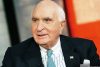
    Ken Langone, a billionaire investor and philanthropist, has identified three key business principles that have served him well throughout his career.

    He told CNBC in an interview that aired on Mad Money that these principles have also been helpful in building a successful organisation.

    According to him, the three most powerful things in business are a kind word, a thoughtful gesture, and a passion and enthusiasm for everything you do.
    What the billionaire is saying
    “The three most powerful things in business are a kind word, a thoughtful gesture, and a passion and enthusiasm for everything you’re doing,” Langone said.

    He emphasised that he tried to instil that philosophy at Home Depot, which he co-founded in the 1970s, and at New York University’s medical centre, where he has served as chairman of the board of trustees since 1999.

    In his opinion, once trustworthy managers are in place at a company or organisation, the next critical step is to ensure that employees at all levels recognise and feel empowered to make a difference.

    Langone exemplified this with a story he remembered about a building services employee at NYU who spent time just visiting a heart transplant patient in the days following the operation.

    Read Also:  African countries and their inflation rates in 2022

    “If you can really get everybody engaged in the mission; if you can get everybody to believe they can make a difference, not only will they make a difference, but they are the difference,” Langone said.

    Langone went on to say that even after the patient was moved out of the intensive care unit, the employee went out of his way to visit him.

    “The man wrote me a letter, telling me that the care he got from the building service associate was as important to him as the surgeon who did the transplant,” Langone recalled.

    What you should know
    According to Forbes, Langone’s net worth is currently $5.8 billion.
    Ken Langone made an early investment in Home Depot in 1978, becoming a cofounder with billionaires Arthur Blank and Bernard Marcus.
    Langone, who gave $200 million to NYU’s hospital a decade ago, pledged $100 million to the School of Medicine in August 2018. The School of Medicine has no tuition.
    He contributed $100,000 to the restoration of Notre Dame Cathedral.
    He also gave $10 million to NYU’s part-time MBA programme in 1999 and $200 million to the university’s medical centre, which was renamed NYU Langone Health in 2008.

  • African countries and their inflation rates in 2022

    African countries and their inflation rates in 2022

    The world is currently dealing with high inflation, and Africa is not immune, with countries on the continent printing record high inflation rates in 2022. The rise in the inflation rate coincides with the rise in crude oil prices, which has occurred in the midst of the conflict between Russia and Ukraine.

    The rising cost of energy around the world has translated into a significant uptrend in most economies, with prices of goods and services reaching unprecedented highs.

    The International Monetary Fund also forecasts that current inflationary pressures will last until 2023, raising further concerns about a global economic downturn. Similarly, the IMF raised its inflation forecast for advanced economies to 5.7 percent from 8.7 percent for emerging market and developing economies.
    In response to the rising inflation rate, monetary authorities in several countries have raised interest rates in an effort to contain the rising cost of goods and services. However, this has yet to produce any positive results, as the inflation rate remains stubbornly high.

    However, the IMF’s managing director has urged central banks in each country to rein in the rising inflation rate. “Even now, prices are creeping up,” she claims. “We need to calm it down,” she explained. “Central banks in each country must take decisive steps to suppress inflation until it is clear that the inflation rate is moving within a specific range.”

    Based on recent inflation figures, compiles a list of African countries and how they fare in terms of inflation rate.

    Sudan – 220.7 percent (April 2022)

    Sudan’s inflation rate fell to 220.7 percent in April 2022, down from 263.2 percent in March 2022. Sudan topped the list of countries with the highest inflation rate in the world last year, with a 12-month moving average of 382.8 percent.

    Zimbabwe – 191 percent (June 2022)

    Zimbabwe’s inflation rate increased to 191 percent in June 2022 from 132 percent the previous month, further eroding citizens’ purchasing power.

    Zimbabwe’s inflation rate has risen from 66 percent to more than 130 percent since the beginning of the Russia-Ukraine conflict in May. It increased by another 200 percent in two months.

    Ghana – 29.8 percent (June 2022)

    Ghana’s inflation rate accelerated to 29.8 percent in June 2022, up from 27.6 percent the previous month and the highest in 19 years. This implies that the month-on-month inflation rate between May and June 2022 was 3%.

    Similarly, food inflation in June 2022 was 30.7 percent, compared to 30.1 percent in May 2022. Non-food inflation was 29.1 percent in May 2022, up from 25.7 percent the previous month. The rise in the inflation rate was attributed to increases in bus fares and other transportation costs.

    Nigeria – 18.6 percent (June 2022)

    Nigeria’s inflation rate increased to a 65-month high of 18.6 percent in June 2022, up from 17.71 percent the previous month, marking the fifth consecutive monthly increase in the rate of inflation. The last time Nigeria’s inflation rate reached 18.6 percent was in January 2017, when it stood at 18.72 percent.

    On a month-to-month basis, the inflation rate increased to 1.82 percent in June 2022, which is 0.03 percent higher than the rate recorded in May 2022. (1.78 percent ). Food inflation increased to 20.6 percent in June 2022, up from 19.5 percent in May 2022, while core inflation increased to 15.75 percent, up from 14.9 percent the previous month.

    The increase in the inflation rate is largely due to the rise in energy prices, which has affected transportation costs across the country and, as a result, food prices.

    Rwanda – 16.1% (June 2022)

    Rwanda’s annual inflation rate accelerated to 16.1 percent in June 2022, up from 14.8 percent the previous month. It was the highest inflation rate since March 2009, with food and non-alcoholic beverage prices rising 26.1 percent, the most since February 2020, due to commodity price increases.

    Egypt – 13.2 percent (June 2022)

    Egypt’s monthly inflation rate fell slightly to 13.2 percent in June 2022, the first decrease in seven months. Despite the decrease, the inflation rate remains high when compared to the previous year.

    As a result, Egypt’s annual inflation rate increased to 14.7 percent in June, up from 5.3 percent in the same month last year. The rising rate of inflation influenced the Central Bank of Egypt’s decision to raise interest rates for the first time since 2017, and then again in May 2022.

    Botswana – 12.7% (June 2022)

    Botswana’s annual inflation rate increased to 12.7 percent in June 2022, the highest since January 2009, and compared to 11.9 percent in May, pushed up by higher global energy prices.

    Prices for transportation, food and nonalcoholic beverages, housing and utilities, and miscellaneous goods and services rose the most. Consumer prices rose 1.3 percent over the previous month, following a 2.6 percent increase in May 2022.

    Kenya – 7.9 percent (June 2022)

    Kenya’s inflation rate soared to a 58-month high in June 2022 due to rising food prices, breaching the government’s upper limit target for the first time since August 2017. (7.5 percent ). The inflation rate increased by 0.8 percentage points in comparison to the previous month’s figure of 7.1 percent.

    According to Macdonald Obudho, Managing Director of the Kenya National Bureau of Statistics (KNBS), the rise in inflation was primarily due to increases in the prices of commodities such as food and non-alcoholic beverages, furnishings, household equipment and routine household maintenance, transportation and housing, water, electricity, gas, and other fuels.

    South Africa – 6.5 percent (May 2022)

    In May 2022, South Africa’s inflation rate increased to 6.5 percent, up from 5.9 percent the previous month. For the first time in more than five years, the rate soared above the central bank’s target range.

    This is also the highest reading since January 2017, when the rate was 6.6 percent. According to Statistics South Africa, transportation and food and non-alcoholic beverages accounted for just over half of the annual rate, with sharp price increases recorded in both categories. Fuel remains a major contributor to the rising inflation rate.

    Why is this significant?

    It is worth noting that the current inflationary pressure felt by African economies, including Nigeria, is a global phenomenon that is not limited to a few countries. For example, Britain’s inflation rate hit 9.1 percent in May, a new 40-year high and a slight increase over the previous month. Similarly, the US inflation rate rose to 9.1 percent in June, the highest in nearly 41 years.

    Furthermore, according to International Monetary Fund (IMF) forecasts, Argentina faces a 90 percent inflation rate by the end of the year due to rising prices of goods and services after Economy Minister Martin Guzman resigned earlier this month.

  • FirstBank Personal Loan Against Salary: Unlocking wealth through salary account

    FirstBank Personal Loan Against Salary: Unlocking wealth through salary account

    Personal Loan Against Salary (PLAS) was introduced by FirstBank of Nigeria Limited to assist customers in meeting their daily obligations. AMAKA IFEAKANDU considers the product’s impact and benefits on account holders.

    The recent increase in the prices of goods and services in the country has continued to put pressure on many Nigerians, forcing them to think about how to raise additional funds to meet their pressing needs and daily obligations on a daily basis.

    Although the current administration, led by President Muhammadu Buhari, is doing everything possible to combat insecurity, crime, and maintain system stability in order for the country to overcome insurgency, high living costs, and ensure the nation’s economy recovers from the impact of COVID-19, their efforts have not yielded the desired results.

    The economic downturn has forced many people to look for other ways to make more money to cover their day-to-day expenses such as house rent, children’s school fees, burial arrangements, medical bills, utility bills, and other emergency expenses.

    FirstBank’s answer

    Unbeknownst to them, however, some of their problems can be easily solved. With the advent of technology at the end of the twentieth century, the banking system has changed dramatically, making it easier for a salary account holder to secure loans to settle financial challenges and offset some of their debt and other difficult bills.

    For example, a FirstBank customer with a salary account for six months to a year will be able to easily access a loan. The loan can be structured so that the customer pays it off at the end of the month or that it is deducted directly from her salary account on a monthly basis.

    First Bank Loan Service

    First Bank of Nigeria Limited, Nigeria’s premier and leading financial services provider, developed a product that will enable its customers to access quick loans to meet their respective problems in times of financial need. The product has assisted customers in meeting their short- and medium-term objectives. Salary account holders can benefit from more than just receiving their monthly pay with the bank’s assistance. Some bank accounts contain inherent wealth that can be unlocked to assist customers in achieving dreams that will allow them to be fulfilled at work and stay on top of situations at home and at work.

    Read Also:  Abuja security guard bags nine months’ imprisonment for stealing iron rod

    The First Bank Personal Loan Against Salary (PLAS) account was designed specifically to help bank customers address urgent financial needs prior to payday.

    First Bank Salary Loan (PLAS)

    Salary accounts at banks can do more than just receive monthly pay; they contain inherent wealth that can be unlocked to assist you in achieving dreams that will make you fulfilled on the job and on top of situations at home and at work. First Bank of Nigeria Limited enables salary account holders to access the wealth in their accounts. This is possible thanks to FirstBank’s Personal Loan Against Salary (PLAS).

    Features

    The Personal Loan Against Salary product offers the account holder a repayment period of up to 36 months, subject to a retirement age of 60 years, and a flexible repayment structure. There will be no guarantor, and the account will be processed quickly because it does not require an equity contribution and has minimal documentation. For the duration of the facility, the Salary Account must be domiciled with FirstBank, and it has a flexible repayment structure.

    How to Implement

    To apply for a Personal Loan Against Salary, the customer must bring

    Personal Loan Application Form, Pay Stub, Account Statement

    applicant’s total emolument letter, confirmation that applicant’s employer is on the FBN approved list

    The applicant is also expected to complete all of the requirements in the form and submit them at the nearest FirstBank branch.

    Loans for various reasons

    Individuals or groups borrow money from financial institutions to meet short-term or long-term financial needs, especially when funds are scarce. Borrowing a loan is the only option available to help bank customers invest in capital-intensive projects. With cash flow, one can make multiple investments. Cash flow assists you in establishing a solid foundation for your business while maintaining an operating cash flow. The company will not go bankrupt due to a lack of funds. To be a successful entrepreneur, you must have extra money to grow your business and pay your daily bills.

    Obtaining a loan enables one to make an additional move in order to expand his or her business and standard of living. Apart from loans for business expansion, individual customers can use PLAS to secure loans to pay for difficult family bills in a matter of days.

    Unlike in the past, the documentation process, provision of collateral, and other stringent requirements make it more difficult to obtain loans from a financial institution to cover emergency expenses.

    However, depending on how the loan is structured, it is easier for salary account holders to obtain a loan from a bank to pay for school fees, house rents, and medical bills and repay at the end of the month. As a result, having a salary account increases customers’ confidence in obtaining loans.

    Read Also:  The world’s most expensive champagne, Chateau Avenue Foch 2017, recently sold for $2.5 million

    Regular loan repayment, on the other hand, gives you a good credit history. Borrowing as a salary account holder allows you to manage your challenges when you lack cash and are in a bind. Opening a salary account with First Bank of Nigeria Limited provides you with the opportunity to obtain a loan to meet all of your daily needs, pay off debts, and cover other expenses.

    The viewpoint of First Bank

    Abiodun Famuyiwa, Group Head, Products & Marketing Support, FirstBank, commented on the benefits of PLAS, saying, “Salary account holders can access up to N30 million to help them pursue capital projects, carry out renovation works on their properties, acquire assets, provide the best education for their children, and other fulfilling accomplishments.”

    “The scheme provides options for topping up and refinancing existing loans at competitive interest rates.” These adaptable options were developed to provide convenience and reward customers while adhering to our brand promise of putting “YOU First.”

    “FirstBank’s Personal Loan Against Salary (PLAS) will also assist customers in meeting rent obligations, planning vacations to desired locations, and paying for professional examinations to advance their careers.” Nigerian wage earners need to be assured of a funding partner in FirstBank in order to realise their dreams with PLAS. PLAS is available to employees with FirstBank salary accounts.”

  • The world’s most expensive champagne, Chateau Avenue Foch 2017, recently sold for $2.5 million

    The world’s most expensive champagne, Chateau Avenue Foch 2017, recently sold for $2.5 million

    NFT’s limited edition 1 of 1 champagne ‘Magnum 2.5’ has just become the world’s most expensive champagne. Purchased on OpenSea as an NFT for 2500 ETH, which is equivalent to $2.5 million USD.

    The magnum of Chateau Avenue Foch 2017 was sold with an NFT that grants the holder digital art and intellectual property rights to an image of a now-famous Bored Ape Mutant, as well as the other collectible cartoon figures featured on the bottle.

    Read also:  Breaking: PDP’s Wike Meets With Top APC Leader Behind Closed Doors

    Champagne Avenue Foch was created in a collaboration between British entrepreneur Shammi Shinh and Sneaky Vampire Syndicate, and what makes it the most expensive, aside from its taste and production, is its bottle.
    Champagne Avenue Foch is made from 100 percent Premier Cru grapes on a family-owned estate. The bottle features artwork by Sneaky Vampire Syndicate and Shammi’s signature sparkles with diamond-cut Swarovski stones.

    Its purchasers are Italian brothers Giovanni and Piero Buono. The couple is an investor in the crypto market, as well as the fashion and technology industries.

    Champagne Avenue Foch Specifications

    100% Premier Cru

    Magnum 1.5l

    60% Pinot Noir, 20% Meunier, and 20% Chardonnay

    Dosage: 4 g/liter

    Year of harvest: 2017

    1 of 1 limited edition

    Read Also:  Court sentences owner of Structured Energy Ltd to ’60 years’ imprisonment for fraud

    Shammi Shinh told Business Insider that he hopes the sale raises awareness of NFTs and helps people understand them.

    “NFTs are the new diamonds.” This one-of-a-kind bottle features artwork from NFT collections worth over a billion dollars. Encrusted with diamond-cut Swarovski crystals and pure pewter embedded in the design, I wanted to create something timeless for the modern investor, nothing less than a masterpiece.

    “Because it is sold as an NFT, I expect it to be traded a few times in the marketplace before the physical bottle reaches the right individual who will HODL” (Hold On For Dear Life). The buyer will need to burn the NFT in order to receive the physical champagne bottle. “The champagne itself is a work of art of unrivalled quality,” he said.

    The champagne broke the previous record set in 2013 by Taste of Diamonds, which sold for $2.07 million. Taste of Diamonds is a creamy-textured blend of Grand Cru Chardonnay, Pinot Noir, and Pinot Meunier. While the taste was excellent, it was not enough to justify the high price of the champagne.

    What set it apart was its Superman-style logo handcrafted from 18-carat solid gold, but also prominently set at its centre is a single, flawless deep-cut white diamond weighing 19 carats, which replaces the Swarovski crystal that normally sits there.

  • Osun governor-elect, Adeleke, says some of Aregbesola’s associates worked with him to defeat APC

    Osun governor-elect, Adeleke, says some of Aregbesola’s associates worked with him to defeat APC

    Senator Ademola Adeleke, Governor-elect of Osun State, has admitted that some associates of All Progressive Congress (APC) party chieftain and Minister of Interior, Rauf Aregbesola, supported him during the state’s recent governorship election.

    Ademola stated that while some of Aregbesola’s allies may have joined the Peoples Democratic Party (PDP) and worked for his victory, it is not clear that the minister orchestrated their moves.

    Ademola made this disclosure in a pre-recorded interview that aired on Channels Television’s Politics Today on Monday night.
    Adeleke stated that he does not work or speak with Aregbesola, but has had discussions with a few of the minister’s associates, including Kolapo Alimi, a commissioner under Aregbesola’s administration.

    What the Osun State Governor-elect is saying
    In response to a question about Aregbesola’s support for the PDP, Adeleke stated, “I did not work with Aregbesola.” I didn’t even speak with him; all I know are his associates, such as Kolapo Alimi, one of the lawyers who represented Oyetola at the tribunal.”

    “Then, because I’m a civilised person, whenever I saw him (Alimi) in court, I would go to them and greet them and ask ‘how are you doing?’” Later, he apologised, saying, “He was thinking, ‘Why is Senator Adeleke greeting me?” We’re attempting to confuse him, and he’s still greeting me.’

    Read Also:  Ex-Imo Deputy Governor demands thorough investigation into alleged killings of 14 youths

    “However, he later told me that while I was greeting him, I had no idea I was poisoning them.” They knew I won the election, so they rigged it, and I was still greeting them. I believe Aregbesola and Oyetola split up.

    “He (Alimi) approached me and said he had watched me and wanted to join our party, which we accepted.” But Aregbesola? No. But we know a lot of top APC members who joined.

    “If I had been speaking with Aregbesola in some capacity, I would say that he may have given them permission to support me.”

    “These people have matured; they have their own minds to decide whether or not to join me. They came to me because they believed I was the one to beat. I won’t know whether Aregbesola gave them the go-ahead or not because I haven’t talked to Aregbesola.”

    On the fight between Oyetola and Aregbesola, the governor-elect thanked God for the development while admitting that the conflict paved the way for his victory.

    “I said God is good,” he said. These are the individuals who conspired at the time (Aregbesola and Oyetola). They were together. Kolapo Alimi revealed to me that they had robbed me. Even the president stated when he arrived here that they won the election by remote control.”

    Senator Ademola Adeleke, the PDP’s gubernatorial candidate, was declared the winner of the hotly contested Osun State governorship election earlier on Sunday, with a total of 403,371 votes, beating his closest challenger, the APC candidate, Governor Oyetola, who received 375,027 votes to finish second.
    Adeleke finished second in the 2018 governorship election in Osun state, losing to incumbent governor Oyetola in a runoff election after the Independent National Electoral Commission (INEC) declared the polls inconclusive.
    Despite the fact that the election results were challenged in court, the Supreme Court upheld Oyetola’s election as governor of the state in July 2019.
    During the campaign, Governor Oyetola and Aregbesola clashed over the APC’s control of Osun state. The minister was also absent during the party’s campaign in the state and did not vote in the election.
    Some political analysts attribute APC’s defeat in the election to the feud between the two leaders and the party hierarchy’s inability to resolve the dispute.

  • MTN Nigeria applies for bond issuance programme worth N200 billion

    MTN Nigeria applies for bond issuance programme worth N200 billion

    The Securities and Exchange Commission has received an application from MTN Nigeria Communications Plc in relation to the registration of a brand-new N200 billion Bond Issuance Program.

    This information was provided in a disclosure document submitted to the exchange regarding MTN Nigeria Communications Plc’s registration of a follow-up N200 billion Bond Issuance Program.

    The company stated that capital expenditures, working capital management, and general corporate purposes will be funded with the proceeds of the new bond issuance.

    In a statement, the business said, “MTN Nigeria Communications Plc has applied to the Securities and Exchange Commission in respect of the registration of a new N200 billion Bond Issuance Programme” (Second Bond Issuance Programme).

    This second bond issuance programme is a continuation of the successful N200 billion first bond issuance programme in 2021, during which the company issued the N110 billion 13.00 percent 7-year series I bond due in 2028 and the N90 billion 12.75 percent 10-year series II bonds due in 2031. The sale of the bonds will generate funds for working capital management, network expansion, and general corporate purposes.

    Read Also:  Ex-Imo Deputy Governor demands thorough investigation into alleged killings of 14 youths

    The second Bond issuance Program will be decided upon by the company in due course, pending market conditions and requisite regulatory approvals.

    Things to be aware of
    The listing of its N110 billion Series 1 Senior Unsecured Fixed Rate Bond on the FMDQ Securities Exchange Limited platform was announced by MTN Nigeria Communications (MTN Nigeria) in the same year.
    Following the Securities Exchange’s Board Listings and Markets Committee’s approval of the bond’s listing, the announcement was made.

  • Court sentences owner of Structured Energy Ltd to ’60 years’ imprisonment for fraud

    Court sentences owner of Structured Energy Ltd to ’60 years’ imprisonment for fraud

    The Ikeja Special Offences Court in Lagos sentenced a businessman to 60 years in prison for a N184 million fraud.

    Chukwuemeka Ekwunife was sentenced by Justice Sherifat Solebo after the Economic and Financial Crimes Commission found him guilty on counts one through six of the charges brought against him (EFCC).

    The judge sentenced him to ten years in prison for each of the six counts, with the terms to run concurrently.
    The backstory
    On February 19, 2018, Mr. Ekwunife and his company, Structured Energy Limited, were charged with stealing by fraudulent conversion of an offence in violation of sections 278(1)(b), (2)(f), and 285(1) of the Criminal Code Law of Lagos State of Nigeria 2011.

    According to one of the charges, Mr. Ekwunife and Structured Energy Limited dishonestly converted the sum of N85 million paid to them by M.R.S. Oil and Gas Company Limited, property of Nepal Oil and Gas Limited, to their own use on June 4, 2015.

    Read Also:  MTN Nigeria applies for bond issuance programme worth N200 billion

    He pleaded not guilty to the charges brought against him at his arraignment.

    What the judge ruled
    To prove its case against the defendant, the prosecution called six witnesses and presented several pieces of documentary evidence.

    The judge stated during his decision, “It is obvious that many fraudulent activities are being perpetrated by some individuals who are extremely greedy and using the guise of oil subsidy on imported fuel to defraud the country, as well as tarnishing the image of Nigeria abroad.” The losses and gains will remain in place.”
    The judge sentenced him to 60 years in prison and also ordered that his company be wound up, with the option of paying a N50 million fine.