Category: Business

  • Macron Reappointed Samad Rabiu President Of France-Nigeria Business Council

    Macron Reappointed Samad Rabiu President Of France-Nigeria Business Council

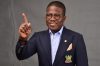
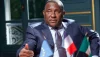
    As a result of strong business ties between Nigeria and France, French President Emmanuel Macron has reappointed Abdul Samad Rabiu, Chairman of BUA Group, as President of the France-Nigeria Business Council.

    The news was announced at the council’s July 2022 meeting in Paris.

    The council, which was established a year ago, brings together Nigeria’s and France’s top businesses in order to improve business relations while ensuring routine cooperation on massive economic benefits for both countries.
    In his address to the council, Rabiu stated that it was an honour to be the council’s first president.

    He thanked Macron for his support and for re-appointing him as president of the council, as well as Jean Haas of Relais (France) as head of the secretariat.

    Read Also:  Biden To Discuss Immigration, Trade With Mexico’s President

    Rabiu went on to praise the progress made by the France-Nigeria Business Council since its inception, as well as members’ commitment to moving forward with various partnerships despite the slow global recovery.

    He cites plans by some of Nigeria’s largest banks to establish subsidiaries in France, as well as BUA’s collaboration with Axens of France to build a 200,000bpd refinery in Akwa Ibom, Nigeria, among other key projects by members.

    Rabiu also urged members of the council to continue seeking partnership opportunities while planning, cooperating, and adding value to one another so that existing successes can be scaled up for the mutual economic benefit of Nigeria, Africa’s largest economy, and France, the world’s economic leader.

    Members of the French Council include the global CEOs of Total Energies, Dassault, Axens, Accor, and CMA, among others.

    Mike Adenuga of Globacom & Conoil, Jim Ovia of Zenith Bank, Gilbert Chagoury of Chagoury Group, and Aliko Dangote of Dangote Group are the Nigerian members.

    Tony Elumelu of UBA, Heirs Holdings, and Tony Elumelu Foundation, Herbert Wigwe of Access Bank Group, Philip Mshelbila of NLNG, Daisy Danjuma of Sapetro, and May & Baker are among those who have made contributions.

    It is expected that during Rabiu’s current tenure, working subcommittees and sectoral groups will be formed to improve the council’s effectiveness.


  • MSMEs financial access critical for economy growth – DBN boss

    MSMEs financial access critical for economy growth – DBN boss

    Mr. Tony Okpanachi, Managing Director (MD) of the Development Bank of Nigeria Plc (DBN), has stated that providing financial access for the country’s Micro, Small, and Medium Enterprises (MSMEs) is critical for economic growth.

    He was quoted as saying that with approximately 17.4 million MSMEs contributing 48 percent of the nation’s GDP in the last five years, providing approximately 50 percent of industrial jobs, and accounting for nearly 90 percent of the manufacturing sector, the sub-sector could not be ignored.

    According to a statement released by the bank yesterday, the MD told operators at a recently concluded MSMEs summit in Kano, “The summit is one of DBN’s stakeholder engagement strategies aimed at creating awareness around our mandate of providing access to finance, capacity building, and partial credit guarantees to MSMEs in Nigeria.”

    “This is significant because they play a critical role in accelerating economic growth by alleviating poverty, creating jobs, and creating wealth.”

    Read Also: Bandits ‘kill 18’ in Zamfara communities, forcing other residents to flee

    “It has become critical for us to pool resources and direct collaborative efforts toward strengthening the MSMSE’s capacity in order to revitalize their operations and address the challenge of access to finance.”

    “This will ensure their growth and increase the economic potential of this critical subsector.”

    Mr. Okopanachi stated that, despite significant growth in the MSME sector, there was still much work to be done.

    According to him, challenges faced by the sub-sector included obtaining finance, finding customers, and infrastructure deficits, and he added, “It is thus pertinent for us as a Bank to champion the conversation on how MSMEs can win despite these challenges, by exposing ways through which MSMEs can benefit from our sustainable financial offerings.”

    In addition to providing access to finance, the DBN CEO promised that his organization would continue to build capacity among operators in the country’s MSMEs sub-sector.

    Alhaji Tajudeen Dantata, the CEO of Dantata Foods, praised the DBN and its Participating Financial Institutions (PFIs) in his keynote address for their roles in providing sustainable MSMEs financing in the country.

    He emphasized that this will supplement the Central Bank of Nigeria’s efforts in this regard.

    OTHER STORIES

  • Airtel overtakes Dangote Cement as Nigeria’s most capitalised company

    Airtel overtakes Dangote Cement as Nigeria’s most capitalised company

    Despite a positive movement in its share price in the first half of 2022, Dangote Cement lost first place as the most capitalised company listed on the stock exchange to Airtel Africa.

    The cement giant increased its market capitalisation from N4.38 trillion in December 2021 to N4.69 trillion in June 2022, a gain of N306.7s3 billion.

    Airtel Africa has risen from third place six months ago to become Nigeria’s most capitalised company, according to NGX data, with a market valuation of N6.51 trillion, after experiencing stellar growth in its share price in the first half of the year.

    Airtel’s market value increased by 81.38% in six months, representing a capitalization gain of N2.92 trillion from N3.59 trillion in December 2021.

    Read also:  ADC youth leader dumps party with over 50,000 loyalists

    MTN Nigeria had a market valuation of N4.68 trillion at the end of the first half of the year, dropping from second to third place at the end of last year.

    This is despite its market capitalization increasing by 16.75% from N4.01 trillion. However, its industry rival beat both MTN and Dangote Cement to the top spot.

    Airtel Africa’s market capitalization increased by N2.92 trillion in the first six months of the year, accounting for 51.8 percent of the total market gain during the review period.

    MTN Nigeria followed suit, increasing its market value by N671.69 billion. Seplat Energy, Dangote Cement, and BUA Foods all increased their profits by N382.49 billion, N306.73 billion, and N270 billion, respectively.

    On the other hand, GT Bank suffered the greatest loss, with a decline in market valuation of N161.87 billion, followed by Nestle Nigeria and Zenith Bank, which suffered losses of N124.05 billion and N108.32 billion, respectively.

    As of June 2022, the ICT sector is worth N11.21 trillion, accounting for 40.1% of the total equities market. The sector increased by N3.59 trillion in the first half of the year, up from N7.62 trillion at the end of December 2021.

  • Lagos honours 800 officers with long service merit awards

    Lagos honours 800 officers with long service merit awards

    As part of the activities commemorating Y2022 Public Service Week, the Lagos State Government presented the Long Service Merit Award to 800 officers (LSMA).

    The Head of Service, Mr. Hakeem Muri-Okunola, said in his address at the 15th edition of the Merit Award held today at The Marquee, Radio Lagos/Eko FM Complex Agidingbi, Ikeja, that the Award was designed to recognise and reward diligence, commitment, and loyalty among public servants in Lagos State.

    He stated that the gesture demonstrated the State Government’s gratitude to hardworking Public Servants while also encouraging and motivating others to continue the tradition of excellent service delivery.
    “The Long Service Merit Award represents an opportunity for us, as a State Government, to celebrate Public Servants who have served the Government and people of Lagos State diligently and conscientiously for 30 years or more, and have made significant contributions to the State’s development and prosperity,” he says.

    Read Also:  Gunmen kidnap Catholic priest, Rev. Fr. Peter Amodu in Benue

    The Head of Service congratulated and felicitated the deserving awardees, assuring them that the State Government would continue to value their dedication, loyalty, sacrifices, and numerous contributions to the development of Lagos State.

    “As you receive this recognition award, I urge you not to rest on your laurels, but to continue to demonstrate a strong sense of duty and responsibility, as well as the other qualities and values for which you are being recognised today,” Muri-Okunola said.

    Mrs. Oluyemi Kalesanwo, Permanent Secretary, Ministry of Women Affairs and Poverty Alleviation (WAPA), thanked the Lagos State Governor, Mr. Babajide Olusola Sanwo-Olu, for his exemplary leadership role and for ensuring that all public servants’ welfare has been well-taken care of since taking office.

    While assuring the State Government of the recipients’ continued loyalty, commitment, and dedication to improving service delivery, Mrs. Kalesanwo stated that the awards will serve as an incentive to the workforce for the Greater Lagos vision to be realised.

  • Nigeria LNG reports a slowdown in gas production due to pipeline vandalism and oil theft.

    Nigeria LNG reports a slowdown in gas production due to pipeline vandalism and oil theft.

    Due to theft of crude oil and pipeline vandalism, among other issues, the Nigeria LNG Ltd. plant is only operating at 68% of its potential.

    According to statistics from the company, the plant in Bonny Island, Rivers State, is only operating at 68% of its potential because of theft of crude oil and pipeline vandalism, among other issues.

    The NLNG Chief Executive Philip Mshelbila claimed that theft and vandalism were slowly choking off Nigeria’s oil and gas industry. “Over the past month, we have been producing at a utilisation rate of roughly 60 to 68 percent.

    In other words, about 35% of our capacity is unoccupied, Mshelbila said at the Nigeria Oil and Gas Conference (NOG), which is currently taking place in Abuja.

    Read Also:  Sallah: Kano approves 10-day holiday for schools

    “There are many contributing factors, but crude oil theft is by far the most important. We won’t be able to escape the mess we’re in if we don’t address this. Mshelbila claimed that in order to meet domestic demand, his company had ceased exporting liquefied petroleum gas.

    Nigeria LNG is a partnership between the government-run Nigerian National Petroleum Corporation, Eni, TotalEnergies, and Shell with an annual capacity of 22 million tonnes.

    According to Oriental News Nigeria, NLNG has lofty goals for its most recent project. “The long-awaited expansion will boost NLNG’s competitiveness in the global market and increase production capacity by 35%, from 22 million tonnes per year to 30 million tonnes per year.”

  • Raising interest rate alone will not tackle inflation – LCCI

    Raising interest rate alone will not tackle inflation – LCCI

    The Lagos Chamber of Commerce and Industry (LCCI) has advised the Central Bank of Nigeria (CBN) to implement more accommodating supply-side policies in order to boost the country’s productive sectors.

    LCCI President Michael Olawale-Cole stated this on Tuesday in Lagos at the chamber’s third quarterly media briefing on the state of the Nigerian economy in 2022.

    To combat rising inflation, the CBN raised its benchmark interest rate to 13% in May.

    However, the Lagos Chamber of Commerce stated that raising interest rates alone would not be sufficient to reduce inflationary pressures.
    It emphasised the importance of the apex bank focusing on increasing supply and mitigating rising production costs caused by high energy and raw material costs.

    Read Also:  40-year-old Jos man gets death sentence for killing girlfriend

    “While the Central Bank of Nigeria (CBN) embarks on monetary tightening to contain inflation,” Olawale-Cole said, “it should ensure that targeted concessionary credit to the private sector is sustained for MSMEs.”

    “The CBN must begin a gradual transition to a unified exchange rate system while also allowing for a market-reflective exchange rate.”

    The CBN must also implement more favourable supply-side policies in order to boost productive sectors, boost investor confidence, and attract foreign investment inflows into the economy.”

    “We reiterate our position on rising inflation: raising interest rates alone will not address rising inflation.” The government must invest more in increasing supply and lowering production costs.

    “There is an urgent need to address structural bottlenecks and regulatory constraints that contribute to high business costs.”

    “An investment environment that is supportive and conducive to private sector participation in the economic recovery and growth process is critical.”
    According to the chamber, the burdensome impact of fuel costs on businesses will continue as long as Nigeria imports refined fuel.

    It advocated for the elimination of gasoline subsidies and the reduction of oil theft in order to free up fiscal space for subsidised production of goods and services, as well as infrastructure, health, and education financing.

    It went on to say that increasing domestic refining will help to alleviate the worsening fuel supply crisis and its knock-on effects on production and prices.

    In response to the frequent failures of the national grid, the LCCI urged the government to implement cost-reflective tariffs in the power sector.

    Read Also: Gunmen kill guard, burn gas station in Ondo

    According to the chamber, this will attract the necessary investment to increase power supply and possibly resolve the issue.

    On the ongoing strike by the Academic Staff Union of Universities (ASUU), Olawale-Cole urged the government and the union to reach an amicable solution to the education sector’s problems.
    “The Lagos Chamber and the business community are concerned because this negative development has the potential to exacerbate our security challenges, increase drug abuse among our youth, and increase social vices,” Olawale-Cole said.

    “We cannot rely on mediocre graduates to build a prosperous economy.”

    “Nigeria must focus more on improving its latest Human Development Index (HDI), which ranked 161st out of 189 countries.”

  • World bank slams Buhari, says response to inflation too slow

    World bank slams Buhari, says response to inflation too slow

    The World Bank has criticised Nigeria’s government for its tardy response to the inflation that is currently driving many Nigerians into poverty and food insecurity.

    Nigeria’s inflation as of May this year has accelerated to 17.71%, which is higher than the World Bank’s projection of 15.5% for inflation in 2022.

    According to the World Bank, Nigeria could have one of the highest inflation rates in the world in 2022, which would lower the standard of living for Nigerian households.

    The World Bank stated in a report titled “The Continuing Urgency of Business Unusual” that “despite the urgency, the authorities’ response over the last two years has not been adequate, and inflation has increased and fueled poverty and food insecurity.”

    The financial institution also stated that it is anticipated that between 2020 and 2022, an additional 15 million Nigerians will fall into poverty as a result of the inflation shock.

    Read Also:  Muslim-Muslim Ticket: Coalition Mount Pressure On Tinubu To Pick Lalong

    According to a different report from the Washington-based bank, the number of poor Nigerians is expected to reach 95.1 million in 2022. The bank also cautioned that many non-poor Nigerians were just one minor setback away from becoming poor.

    The lender claims that such a shock could be brought on by environmental or political unrest, which would endanger Nigeria’s efforts to combat poverty.

    Remember that the World Bank reported that in spite of the inflation shock pushing an estimated eight million Nigerians below the poverty line in 2021, the Federal Government of Nigeria did not take any coordinated action to reduce inflation.

  • Rising Inflation, MPR Hike Hinder CBN’s FX Intervention Drive – Gwadabe

    Rising Inflation, MPR Hike Hinder CBN’s FX Intervention Drive – Gwadabe

    According to Alhaji (Dr.) Aminu Gwadabe, president of the Association of Bureaux De Change Operators of Nigeria (ABCON), the naira’s volatility is being exacerbated by rising inflation, an increase in interest rates, and sluggish economic growth, which has an impact on middle- and low-income earners.

    Speaking at the weekend in Lagos, Gwadabe claimed that the scenarios as they are developing increase the danger of stagflation, which could have detrimental effects on the economy’s poor.
    He stated that it is already anticipated that global growth will slow from 5.7% in 2021 to 2.9% in 2022, which is significantly less than the 4.1% that the International Monetary Fund (IMF) predicted in January.
    Gwadabe advocated for increased domestic production and a shift away from oil in order to keep the Nigerian economy thriving in the face of these difficulties.

    In May, inflation reached an 11-month high (17.71%), according to him, and the naira trades at N614 to $1 in the black market. Dollar bids are also continuing to rise.
    According to the ABCON CEO, these incidents are reducing household purchasing power. “The persistent increase in food prices is the primary cause of inflation. From 18.37% in April to 19.50% in May, the average price level of the food basket increased by 1.13 %. Increased government funding for agriculture and pro-agriculture policies can turn this around, he said.

    According to Gwadabe, there are opportunities to tap into Nigeria’s sizable population and diaspora market, which brings in an estimated $20 billion annually.

    Increasing the dollar receipt points through more than 5,000 Bureaux de Change operators, according to him, can intensify dollar inflows and significantly strengthen Nigeria’s foreign exchange position.

    Read Also:  2023: In Sokoto, 3 APC gubernatorial candidates defect to the PDP.

    According to Gwadabe, BDCs continue to be a major route for remittances from the diaspora to enter various nations.

    According to him, BDCs continue to be at the forefront of economic growth and have the ability to draw in the necessary funding for the expansion of the Nigerian economy and the forex market.
    The ABCON thinks that having access to multiple forex revenue streams will help BDCs succeed by expanding the market, stabilising the naira, and expanding their business operations.

    “BDC operations will be boosted and the forex market will gain depth if they become one of the channels through which the $20 billion in remittances from the diaspora each year enter the economy. Operators of Nigerian BDCs are aware of the enormous opportunities offered by remittances from the diaspora and want to do more to draw in foreign investment. Reason being that remittances are known to assist less fortunate recipients in meeting their basic needs, funding both cash and non-cash investments, financing education, fostering start-up businesses, paying off debt, and, ultimately, driving economic growth, according to Gwadabe.

    Additionally, according to Gwadabe, effective implementation of the “RT200 FX Programme,” or “Race to $200 billion in FX Repatriation” policy of the apex bank, which was unveiled in February, will increase the economy’s inflow of foreign currency.

    According to him, the programme is a collection of non-oil export policies, plans, and initiatives that will help Nigeria achieve its ambitious but doable goal of remitting $200 billion in foreign exchange, solely from non-oil exports, over the course of the next three to five years.

    According to Gwadabe, the RT200 FX Programme is one of the tactics that can help Nigeria generate more consistent and long-term inflows of foreign currency.

  • NASCO inaugurates multi-billion naira cornflakes plant in Jos

    NASCO inaugurates multi-billion naira cornflakes plant in Jos

    A multibillion-naira cornflakes plant has been opened by NASCO Group Nigeria in Jos, the capital of the Plateau State.

    NASCO added that the new facility’s technology is state-of-the-art and among the best in the world.

    In Jos, the capital of Plateau State, where NASCO Foods is located, Governor Simon Lalong made the following remarks during the plant’s commissioning: “NASCO has been a household name not only in Plateau State and Nigeria but throughout the African continent having been around for almost six decades and identified as an icon of quality.

    Indeed, since it was founded here in Plateau State in 1963 by the late great industrialist Ahmed Nasreddin, NASCO has embodied the essence of its most recognisable and distinguished crown logo, which stands for Leadership, Longevity, and Loyalty.

    He asserted, “There is no question that it has served as a leader among its many rivals and served as a mentor to many young industrialists who have admired and occasionally tried to copy its products.

    Read Also:  Tension as Gunmen Kill Traditional Ruler, CDC Chairman in Bayelsa

    “I am confident to say that NASCO is one of the rare businesses whose history can be written alongside that of our dear State and country Nigeria, especially because it bears all the hallmarks of endurance, durability, immense potential, and a unique talent for survival,” he insisted.

    “In a nutshell, the company is one brand that perfectly captures Nigeria’s tenacious spirit.”

    “I commend the Executive Chairman, Management, and Staff of NASCO for upholding the ideals of the organization’s founding father, the Late Dr. Ahmed Idris Nasreddin, who built a strong foundation and guided the business to growth and prosperity before being called to glory.

    “NASCO has consistently been one of Nigeria’s most recognisable brands and deserves to be recognised for its loyalty to the Nigerian consumer on this very significant occasion.

    He added, “The secret, as we have come to learn, lies in its focus on providing a high-quality life to everyday Nigerians like you and I.

    The Chairman/CEO of NASCO Group Nigeria, Dr. Attia Nasreddin, stated earlier that “Nigerian farmers contribute to preserving the nation’s food security both now and in the future.

    “However, if it doesn’t get to Nigerian households, food security in and of itself is useless. To close the gap between Nigerian homes and the inherent goodness of Nigerian maize, NASCO foods has worked tirelessly through our cornflakes plant.

    Our Farm2Home theme isn’t just a catchy slogan. To us, it is a sincere movement, and we have worked hard to make sure that every Nigerian benefits from the natural advantages of cornflakes, which raises the standard of living and results in a healthier and higher quality of life, the speaker insisted.

    We came to witness the opening of our plant that makes cornflakes worth many billions of naira today. This new building is one of the best in the world in terms of technology.

    Read Also:  Bandits Kill Zamfara Poly Lecturer

    “This new plant will continue to flake the richly yellow maize we use, ensuring that NASCO cornflakes are fortified with vitamin A,” he claimed.

    We are aware of the high rates of vitamin A deficiency in our populations, which have been reported to be nearly 30% among children, 19% among pregnant women, and 13% among nursing mothers.

    He said, “I’m happy to let you know that NASCO cornflakes have been approved by the Nutrition Society of Nigeria (NSN) as a reliable ready-to-eat cereal meal enriched with vitamins.

    Nasreddin continued, “This new plant will be a capacity multiplier, allowing us to deliver high quality and reasonably priced cornflakes with natural goodness remaining intact as they are enjoyed by tens of millions of Nigerians and sub-saharan consumers.”

  • Nigeria external reserves expected to decline as CBN spends $1.7 billion to clear FX backlog by October 2022

    Nigeria external reserves expected to decline as CBN spends $1.7 billion to clear FX backlog by October 2022

    Nigeria’s external reserves are expected to decline, according to the World Bank, because the Central Bank of Nigeria (CBN) is expected to clear $1.7 billion in foreign exchange backlog and forward contracts to foreigners by the end of October 2022.

    The World Bank revealed this in a report called “Nigeria Development Update (June 2022): The Continuing Urgency of Business Unusual.”

    Nigeria’s external debt had been falling due to the Central Bank’s ongoing intervention in the foreign exchange market to maintain the local currency’s stability.

    The World Bank’s Position
    “Boosted by higher oil exports, an allocation of Special Drawing Rights from the International Monetary Fund in August 2021, and a Eurobond issuance in September 2021, gross official reserves rose to US$41.3 billion (7.4 months of imports) at the end of 2021;offering an opportunity for exchange rate adjustment,” the World Bank said.

    “In March 2022, Nigeria issued additional Eurobonds worth $1.25 billion. The CBN is expected to clear the FX backlog to foreigners (estimated at US$1.7 billion as of end-October) and FX forward contracts, so gross FX reserves are expected to decline in 2022,” according to the Bank.

    Read also:  insecurity: Archbishop Chukwuma calls for revolution, Buhari’s resignation

    Nigeria will also see net portfolio outflows in 2022, according to the World, due to the hawkish monetary policy seen in developed countries. “FPI inflows increased significantly in 2021, exceeding US$6 billion,” according to the bank (1.4 percent of GDP). This followed a significant drop in 2020, when net outflows totaled US$3.6 billion as a result of the COVID-19 pandemic (0.8 percent of GDP).

    “With continued hikes in interest rates in the US and other advanced economies due to rising inflation, net portfolio inflows to Nigeria are expected to drop below 1% of GDP in 2022,” according to the World Bank. The uncertainty surrounding the election is likely to add to portfolio investors’ apprehension, keeping net inflows low.”

    What you should understand
    Foreign reserves are assets held on deposit by a country’s central bank to back liabilities and influence monetary policy. Foreign banknotes, deposits, bonds, treasury bills, and other foreign government securities are all examples.
    These assets are held for a variety of reasons, but the most important is to ensure that a government or its agency has backup funds in the event that their national currency depreciates rapidly. The term “foreign exchange reserves” is also used to refer to “international” or “external” reserves.

    Read Also:  Atiku’s former aide Afegbua abandons PDP, explains his reasons

    Nigeria’s external reserve increased by $5.15 billion in 2021, thanks to a $4 billion Eurobond issued by the federal government in September 2021 and a $3.35 billion IMF facility under the Special Drawing Rights. Nigeria’s external reserves, however, are currently at $38.69 billion, down from $41 billion last year.
    According to NBS data, capital imports to Nigeria decreased by 47.6% year on year in the first nine months of 2021, to $4.52 billion from $8.61 billion the previous year, with foreign direct investment (FDI) accounting for only 7.55 percent of the total.

  • FG to invest in all aspects of agricultural value chain to fight food crisis

    FG to invest in all aspects of agricultural value chain to fight food crisis

    Nigeria’s Finance Minister, Zainab Ahmed, has stated that the federal government will invest heavily in all aspects of the agricultural value chain in order to ensure adequate and high-quality data for effective agricultural policies.

    According to the News Agency of Nigeria, the Minister stated this at a Training of Trainers workshop on the National Agriculture Sample Census (NASC) held in Abuja on Monday.

    Meanwhile, Prince Semiu Adeniran, the Federation’s Statistician-General and Chief Executive Officer of the National Bureau of Statistics, revealed that the agency is beefing up its statistical capacity in agriculture data collection.
    What they are saying
    The Minister stated that the agriculture sector was important to the Federal Government which was why President Muhammadu Buhari-led administration had invested heavily in it since 2015, citing that the investment was aimed at increasing output in the entire value chain to meet the country’s demand for food, export and employment.

    She also commented that Agriculture has consistently recorded positive growth because of the investment and attention to it, in spite of the security challenges encountered in some parts of the country.
    “So, we will continue to invest heavily in all aspects of the agricultural value chain taking advantage of all our God-given resources to grow and develop the sector and derive the maximum benefits possible.
    “All this cannot be done without the use of adequate and reliable data.
    “The success of all our policies, plans and programmes can only be achieved with the right data hence a high premium government has placed on quality data.
    “This can be seen in the transformation that has taken place in NBS over the years. NBS is among the few agencies that have recorded close to 100 per cent of its annual capital investment in recent years.
    “This is further demonstration of commitment to use the instrumentality of sound statistics in designing appropriate policies to grow and develop all aspects of the economy in Nigeria,” she said.
    Prince Semiu Adeniran, the Statistician-General (S-G) of the Federation and Chief Executive Officer, NBS), said the sector alone, through its various activities accounted for approximately 25 per cent of the economy, and employs more than 50% of the workforce of the country, both directly and indirectly.

    Read Also:  Court stops INEC from ending voter registration

    “We need to know what parts of the country they are produced, the kinds of inputs needed, the size of manpower engaged, the sorts of challenges encountered and what other potential exist within the sector.

    “All these kinds of information are what the NASC exercise seeks to collect.”

    He added that when the National Agriculture Census is complete, it would provide a statistically sound base of data for policy makers, both public and private and help policy makers make important decisions on how to increase the total output and develop it to maximise its potential throughout the entire value chain.

    In case you missed it
    Nigeria’s agriculture sector grew by 3.16% (year-on-year) in real terms in the first quarter of 2022, a decrease of 0.42% points from the preceding quarter which recorded a growth rate of 3.58%.
    The sector grew by 11.55% year-on-year in nominal terms in Q1 2022, showing a fall of 3.59% points from the same quarter of 2021 and contributed 22.36% to overall GDP in real terms in Q1 2022, higher than the contribution in the first quarter of 2021 and lower than the fourth quarter of 2021 which stood at 22.35% and 26.84%.

  • TotalEnergies shareholders approve N6.18 billion dividend

    TotalEnergies shareholders approve N6.18 billion dividend

    To consolidate its performance, TotalEnergies Plc has assured shareholders of the company’s commitment to becoming a multi-energy company that will play a key role in the country’s energy transition, particularly in renewable energy.

    This was stated by the company’s chairman, Jean-Phillipe Torres, at the company’s 44th annual general meeting, which was held in Lagos over the weekend.

    He expressed confidence in the company’s improved profitability as investments made during the review period begin to show in its operations.

    Furthermore, shareholders present at the meeting approved a final dividend of N6.18 billion, or N18.20 kobo, for the fiscal year 2021. The company had previously paid an interim dividend of N1.36 billion, bringing the total to N4.00 per share.
    Torres said, the company recorded a profit after tax of N16.8 billion representing 712 per cent rise when compared to N2.06 billion recorded by the company in the corresponding period of 2020 while turnover increased by 67 per cent from N205 billion in 2020 to N341 billion.

    He restated the company’s commitment to solar business, adding that a total of 131 service stations had been solarized by the end of 2021 while over 1.5 million people have benefitted on the sale of 400,000 solar lamps.
    The chairman pointed out that the N30 billion domestic Commercial Paper (CP) programme issued in 2020 to restructure and refinance the company’s debt profile contributed to improve liquidity and positive cashflow, adding that the CP issuance has been fully repaid from cash reserves in August 2021.

    Read Also:  Suspected bandits kidnap village head, son in Bauchi

    On the lubricant business, Torres assured that the company remains active in the lubricant market and has continued to grow its market share which stood at 17 per cent at the end of 2021 financial year, saying that the company has also commenced installation of its end of line automated machines at its blending plants which would be concluded in this year.

    He added that this would increase production output of small pack lubricants 1-5 litres by about 30 per cent. Shareholders at the meeting applauded the management for sustaining their dividend policy of paying both interim and final dividend to shareholders.

    President of Issuers and Investors Alternative Dispute Resolution Initiative (IIADRI), Moses Igbrude said, despite that the government has become the sole importer of petroleum products in the sector, thereby crowding out the private sector, the company had consistently delivered good returns to shareholders.

    He urged the company to consistently improve on its solar business to boost electricity generation in the country, while ensuring that the lubricants are of good quality to enhance competitiveness

  • Only 4 States, FCT Remitting Workers’ Pension Under CPS – PenCom

    Only 4 States, FCT Remitting Workers’ Pension Under CPS – PenCom

    Only four states and the federal capital territory have started paying pensions to employees under the contributory pension scheme, according to the National Pension Commission (PenCom) (CPS).

    Lagos, Osun, Kaduna, Delta, and the federal capital territory are the states involved (FCT).
    In its most recent report, titled “Status of implementation of the CPS by states and the FCT for the first quarter of 2022,” the agency revealed.

    PenCom also announced that the 2022 online verification and enrollment exercise for retirees/potential retirees of Treasury-Funded Ministries, Departments, and Agencies (MDAs) will begin on Monday, June 20th, 2022.

    Employees of federal government Treasury-funded MDAs who missed the enrollment exercise in previous years will be covered by the online exercise.
    PenCom advised all retirees and prospective retirees to visit their Pension Fund Administrators (PFAs) and complete the data recapture exercise prior to enrollment.
    According to a statement issued by PenCom yesterday, this entails retirees providing personal information, including their National Identity Number (NIN), even though retirees and prospective retirees who had previously completed the data recapture exercise are not required to do so.

    “Retirees/prospective retirees are required to visit PenCom’s website (www.pencom.com.ng) and upload their employment details as well as scanned copies of required documents before proceeding to their respective PFAs for physical verification and enrollment,” the regulator said. The PenCom website contains a step-by-step procedure for online enrollment.

    “Similarly, retirees/potential retirees who are unable to complete the online registration for any reason should contact their respective MDA’s Pension Desk Officer or visit their PFAs for assistance,” it stated, “while the verification and enrollment by all parties concerned must be completed on or before August 31, 2022.”

    Meanwhile, according to PenCom, 25 states have passed legislation to join the CPS. Only 15 of these states have established pension bureaux/boards in accordance with the CPS (Lagos, FCT, Osun, Kaduna, Delta, Ekiti, Ondo, Edo, Benue, Kebbi, Niger, Rivers, Ogun, Bayelsa, and Kogi).

    The CPS is a system in which both the employer and the employee contribute to the payment of the employee’s pension when he or she retires.

    It is entirely funded by monthly pension contributions made to an employee’s retirement savings account (RSA), which is administered by the pension fund administrator (PFA).

    Read Also:  Firm Announces Shortlist for World’s Best School Prizes

    Despite the fact that the CPS laws have been passed, the states of Anambra, Abia, Taraba, Imo, Sokoto, Adamawa, Ebonyi, Nasarawa, Enugu, and Oyo have yet to establish a pension bureau to oversee the scheme’s implementation.

    Eight states, namely Kwara, Plateau, Cross Rivers, Borno, Akwa Ibom, Bauchi, Katsina, and Yobe, were still in the bill formation stage, according to the report. It means that a law on the CPS has yet to be enacted to guide the scheme’s implementation.

    Jigawa, Kano, Gombe, and Zamfara states, on the other hand, have chosen to operate their own pension schemes.

    During the quarter under review, PenCom held sensitization workshops, capacity-building programmes, and stakeholder engagement meetings, according to the company.

    It stated that it met with representatives of the Ekiti State Pension Commission (ESPC) to discuss the challenges that the state has faced in implementing the CPS.

    The commission also stated that it gave presentations at the FCT Area Councils Staff Pension Board (ACSPB) pension management retreat in Akwanga, Nasarawa state, on the CPS implementation challenges, with an emphasis on uncredited contributions.

    “The commission engaged the Rivers state government, expressing concern about the state’s inability to fully implement the CPS in the state, in light of the impending commencement of state employees’ retirement under the CPS as of 1 June 2022,” it added.

    “The commission also engaged the government of Ogun state on the state’s persistent non-remittance of pension contributions into the RSAs of state employees, in light of the fact that state employees will begin retiring under the CPS on July 1, 2025.”

  • MSMEs worst hit by forex shortage, diesel price hike – ASBON

    MSMEs worst hit by forex shortage, diesel price hike – ASBON

    Dr. Femi Egbesola, the National President of the Association of Small Business Owners of Nigeria, says the country’s micro, small, and medium businesses are the hardest hit by the current dollar shortage and high diesel prices.

    While the Central Bank of Nigeria made it easier for large businesses to obtain dollars from commercial banks, he claimed that MSMEs often struggled and were forced to use the parallel market.

    There has been a severe dollar shortage in the country, which has been exacerbated by the volatility typically associated with elections and indirect primaries, when politicians plunder dollars from the black market and commercial banks.

    According to information on the CBN’s website as of Friday, the official rate remained at N415.87 per dollar, but in the parallel market, as of Thursday evening, a dollar was worth between N600 and N610.

    Despite economists’ concerns that the arbitrage was unsustainable and fueling corruption, the naira has continued to fall in value against the dollar in the parallel market, while the Importers and Exporters window rate has remained relatively stable.

    “Micro and small businesses are the worst hit by the dollar scarcity and high cost of diesel,” Egbesola said in a recent telephone interview with our correspondent. We do not have the financial resources to cushion the impact, as do medium and large businesses.

    “Because of the CBN’s design, it is easier for medium and large businesses to obtain dollars from banks, leaving us with no choice but to use the black market for forex.” As a result, we have the highest incidence of it. When we compete in the same market with medium and large-scale businesses that pay a lower price, we know we’re up against a major obstacle.

    “Second, because the rate fluctuates, you can’t predict your profits.” If you import raw materials to produce, the next time you go back to get dollars, you have to add your capital to your profit in order to get dollars at a new price, which is a death sentence. The implication is that many of us are closing shops because we can’t compete with the imported ones.”

    In response to the high cost of diesel, he stated that many imported products were less expensive than those made in the country due to production costs. “That is why some of our members are closing their doors, not just suspending production, but looking for alternative sources of income,” he continued. Approximately 15 to 18% of our members have closed their doors or are experiencing financial difficulties. We rely more on diesel and can only buy small amounts at a time because electricity supply is still unpredictable. You can’t compare us to larger corporations that can buy diesel tankers in bulk. They can get it for a lower price and even on credit, with the option to pay in instalments or at a later date.”

    He urged the government to give SMEs, which he described as the engine of growth, more attention.

    “Government can’t create jobs; we have to do it ourselves,” he continued. So, how do we create jobs when we can’t even make ends meet, let alone profit? Factory closures and small business closures have resulted in the loss of jobs. It isn’t even close to being equitable.

    “Some of our members are moving to neighbouring countries because their electricity and currency are stable, and their policies are friendly to small businesses.”

    According to a joint report released in January by the National Bureau of Statistics and the Nigerian Small and Medium Enterprises Development Agency, Nigeria had 39,654,385 MSMEs in December 2020, down from 41,543,028 in 2017. They contributed 4.5 percent of the country’s GDP, according to the report.

    ASBON had around 23,000 members in 27 states across the country, according to Egbesola.

    “The CBN and SMEDAN classified small businesses as enterprises with working capital, not assets, ranging from N5 million to N50 million, while those with less than N5 million are considered micro-enterprises,” he continued.

    “On the other hand, if you have 30 or fewer employees, you’re considered a small business, but if you have more than 30, you’re considered a medium or large company.” Your working capital and employees are thus the two indices.”

  • Tension in Zamfara  as a result of planned shutdown of telecommunications network

    Tension in Zamfara as a result of planned shutdown of telecommunications network

    Panic has returned to Zamfara State as a result of the state government’s plan to shut down the state’s telecommunication network.

    Following the rising security challenges ravaging the State, the Governor announced on Wednesday through his Special Adviser on Media and Communication, Hon. Zailani Bappa, that the government may impose strict security measures.

    The Governor made the statement in response to the abduction of 30 youths along the Sokoto-Zamfara road last weekend, claiming that the rising activities of informants to bandits had resurfaced in the state.

    He bemoaned the increasing activities of informants who provide information to bandits against innocent citizens, reiterating the government’s resolve to take more stringent measures to contain the threat, including the shutdown of telecommunications when necessary.

    The announcement sparked a lot of tension in the state, as residents recalled previous events that had a significant impact on people’s economic lives.

    Read Also:  Emeka Ihedioha congratulates Okowa on his selection as running mate

    Remember that in September 2021, the State government implemented some security measures, including the shutdown of telecommunication network services, to combat the insecurity situation plaguing the state.

    According to reports, neighbouring states such as Katsina, Kaduna, Sokoto, and Niger were inspired by the security measures.

    Despite these security measures, terrorist attacks on unarmed civilians continued unabated, prompting the suspension after about two months.

    Dr. Alhaji Muhammad Gusau, an activist, has commented on the matter on his Facebook page, claiming that the state government is considering shutting down telecommunication network services due to security concerns in the state.

    “This will have a significant impact on the state’s economy, which is not a good decision.” Ordinary people suffered when the government shut down the networks from September to October, and in some cases, almost December.

    “All legitimate endeavours were halted, livelihoods were harmed, but the security measures produced no positive results in terms of the security of lives and property in the State,” he said.

    Another public commentator, Alhaji Ahmed Bakare, a proponent of good governance in the state, also made a statement on the subject via his Facebook page:

    “No record of improvement was released from Defense Headquarters when the State government first shut down telecommunication network services in 2021, because it used to release timely progress updates.”

    “Neither the State government nor the Governor claimed to have had any success, apart from the Governor’s claim that over a hundred informants had been arrested.”

    Read Also:  Police kill four bandits and apprehend woman who sells arms in Kaduna

    “Yet no suspect has been arraigned and prosecuted,” the public commentator expressed his disappointment.

    “Rather than ignoring communication opportunities, a serious government should use them to locate, isolate, and possibly attack criminal targets.”

    “I don’t think the people of Zamfara can afford to go through this again if the state’s telecommunication network services are shut down,” he said.

    However, the Governor’s spokesman, Hon. Zailani Bappa, stated that the public misinterpreted the Governor’s statement.

    Governor Bello Mohammed Matawalle, according to him, said the security agencies would advise him and that, if necessary, he would shut down telecommunication network services.

  • Shell Files Appeal Against Jurisdiction Over N700 Billion Spill Compensation

    Shell Files Appeal Against Jurisdiction Over N700 Billion Spill Compensation

    Shell Petroleum Development Company (SPDC) has challenged the Federal High Court in Yenagoa’s jurisdiction to hear a N700 billion oil spill compensation suit filed by residents of Bayelsa’s Aghoro 1 community.

    The residents of Aghoro 1 in Bayelsa’s Ekeremor Local Government Area sued SPDC in Federal High Court in Yenagoa over an oil leak from the company’s Trans Ramos Pipeline on May 17, 2018.
    When the case came up for hearing, SPDC’s lawyer, Mr Michael Amadi, told the court that the oil company is contesting the court’s jurisdiction and intends to appeal to the Court of Appeal.

    Read also:  Over 1.5m people in Zamfara receive COVID-19 vaccines – Official

    He also asked the court to put the case on hold pending the outcome of the interlocutory appeal, as required by the hierarchy of courts, because the Court of Appeal was already hearing SPDC’s appeal.

    Although the records claimed by the defendant’s counsel were in front of the court, trial judge Justice Isa Dashen stated that he had yet to go through them in order to keep up with the case’s developments.

    He claimed he had the right to review the Court of Appeal’s procedures and records before the matter was put on hold.

    He postponed the hearing until October 19 to allow time to review the documents filed with the court and to wait for the appellate court’s decision, as required by the rules.

    On behalf of the Aghoro 1 community in Ekeremor LGA, Bayelsa, the pantiffs are Mr Victor Akamu, Pastor Erebimienkumor Goddey, Mrs Jane Alex, Miss Edith George, Mr Israel Tomonye, and FASF Associates Ltd.

    Read also:  In Ogun, CAN, Islamic leaders sign peace pact

    They are seeking compensation for the damages caused by the oil spill, claiming that SPDC’s offer of N33.49 million was a far cry from the N700 billion claim based on damage assessments in the affected areas.

    Shell Petroleum Development Company, Shell International Exploration and Production BV, the Attorney-General and Minister of Justice, and the Nigerian National Petroleum Corporation are named as defendants in the lawsuit.

  • NCC Brings Telecom Consumer Sensitization to Nasarawa State

    NCC Brings Telecom Consumer Sensitization to Nasarawa State

    In keeping with its commitment to enlighten telecom service consumers, the Nigerian Communications Commission (NCC) has taken its consumer enlightenment programme to communities in Nasarawa State to educate them on their rights, obligations, and privileges.
    In addition, the engagement was organised to inform telecom consumers about the Commission’s consumer-centric initiatives, which consumers can use to improve their telecom usage experience.

    Speaking at the event, which took place recently in Keffi, Nassarawa State, the NCC’s Director, Zonal Operations, Amina Shehu, said the engagement was in line with the NCC’s mandate to constantly educate consumers on telecom service-related issues bordering on improving their quality of service experience.

    Read Also:  In Lagos, generator fumes killed man, his pregnant wife, their three children

    Addressing the participants on behalf of Shehu, an Assistant Director in the department, Usman Abubakar, said the Commission had developed a series of engagement programmes to keep telecom consumers informed of developments in the telecoms sector in order to protect consumers from any unwholesome practises.

    Thus, participants in the sensitization programme were educated on a variety of topics, including Subscriber Identity Module (SIM) registration, the redress process for consumer complaints arising from illegal deductions, and illegal sales of improperly-registered cards, among others.
    According to Abubakar, the Commission recently directed all subscribers to ensure that their SIMs are linked to their National Identification Numbers (NIN), or their mobile lines will be disconnected.

    “As a rule in the Nigerian telecommunications industry today, every mobile subscriber must register his/her SIM before activation, as there are penalties associated with the sale and purchase of fraudulently-registered SIM cards.” “We also urge you, as telecom customers, not to allow another person to use your NIN to register other people’s SIMs,” he said.
    Concerning complaint redress, Abubakar told consumers that it is their right to be satisfactorily attended to by their service providers in order to resolve any service-related complaints they may have. He did, however, note that if such a complaint was not satisfactorily resolved by their mobile network operator (MNO), consumers should use the NCC toll-free number 622 to report such a case for necessary escalation and resolution.

    Read Also:  NNPP holds Senatorial Primaries in Lagos

    Abubakar also stated that another consumer-centric initiative of the Commission is the Do-Not-Disturb (DND) 2442 short code, which consumers can use to manage cases of unsolicited messages on their mobile phones. “Millions of telecom consumers have used this short code to stop or manage cases of spam text messages on their mobile devices, and we encourage you to do the same,” he added.

    During the event, the NCC team addressed a number of consumer complaints by obtaining the necessary information from the Commission, while some consumers were advised to contact their service providers to resolve specific service-related issues. Some of the issues include automatic migration of a consumer from one data plan to another without the consumer’s consent, as well as illegal airtime or data deductions.

  • Nigeria, others face high risk of food crisis – Report

    Nigeria, others face high risk of food crisis – Report

    According to a study conducted by Boston Consulting Group, a global management consulting firm, Nigeria and 44 other countries around the world are severely impacted by the Ukraine war-induced food crisis.

    In a report titled ‘The War in Ukraine and the Rush to Feed the World,’ BCG said it looked into the multiple direct and indirect effects of Ukraine’s turmoil on global food systems in depth.

    The BCG report, which was co-authored with Food Systems for the Future, also included 30 short- and medium-term solutions for responding to the crisis and improving global food system resilience.

    Read Also:  Telcos blame govs, others as ICT’s GDP contribution tumbles

    The affected countries, which were mostly in Africa, South Asia, and Latin America, were described as “hotspots” around the world because they were experiencing the worst effects of the crisis.

    According to the BCG report, Nigeria and the other affected countries faced extreme poverty, which was exacerbated by the ongoing economic and social challenges caused by the COVID-19 pandemic.

    The report identified additional factors that exacerbated the food crisis, including a high reliance on food imports, high import bills, high inflation, a high debt burden, climate risks, and civil unrest.

    According to the UN Task Team for the Global Crisis Response Group, an estimated 1.7 billion people, the majority of whom live in developing economies, could face severe increases in food insecurity, higher energy prices, or higher debt burdens.
    It stated that each of these factors had a negative impact on people’s ability to feed themselves.

    “At the same time, there is a critical need to address them more holistically and across all sectors in order to reshape our food systems so that we can counteract this—and future—humanitarian crisis,” it stated.

    Read Also:  APC screening panel clears Jigawa gov, Badaru Abubakar, for presidential primary

    “The impact of the Ukraine war on our food systems calls for a critical and immediate review of our budgetary allocation,” said Stefano Niavas, Managing Director and Partner at BCG Nigeria.

    “Currently, Nigeria spends more than 27 times its agriculture budget on debt service. With the Ukraine conflict and the lingering challenges of COVID-19, the continent’s average debt-to-GDP ratio is expected to rise from 60% to 70%.

    “To reduce the crisis’ impact on Nigeria’s food systems, the government and all key stakeholders should ensure that the rising cost of food and fertiliser is stabilised by providing viable seedlings, promoting the growth of alternative nutritious grains, and encouraging the adoption of innovative farm practises.” Alternative fertiliser sources will help reduce the country’s reliance on food imports.”

  • Telcos blame govs, others as ICT’s GDP contribution tumbles

    Telcos blame govs, others as ICT’s GDP contribution tumbles

    The Information and Communication sector’s contribution to GDP decreased by 9% from N3.1 trillion in the fourth quarter of 2021 to N2.81 trillion in the first quarter of 2022.

    The ICT sector contributed 15.21% and 16.20% to real GDP in Q4 2021 and Q1 2022, respectively, according to GDP figures released by the National Bureau of Statistics.

    Total real GDP was N20.33 trillion in Q4 2021, and N17.35 trillion in Q1 2022. Telecommunications and information services; publishing; motion picture, sound recording, and music production; and broadcasting, according to the statistics body, make up the sector.

    Read Also:  Hunters Kill Boko Haram Commander In Borno

    Telecommunication and information services contributed 79.88 percent (N2.25 trillion) of the total GDP contribution of the sector in Q1 2022 and 82.89 percent (N2.56 trillion) of the total GDP contribution of the sector in Q4 2021.

    “Quarter-on-Quarter, the sector exhibited a growth of -9.09 percent in real terms,” the NBS said of the sector’s contribution to real GDP in Q1 2022. In the first quarter of 2022, the sector contributed 16.20 percent of total real GDP, up from 14.91 percent in the same quarter last year and 15.21 percent the previous quarter.”

    “Of total real GDP, the sector contributed 15.21 percent in the fourth quarter of 2021, higher than the same quarter the previous year, when it contributed 15.06 percent, and higher than the preceding quarter, when it contributed 14.20 percent,” it said.

    Read Also:  NEC says 4.5 million youths have completed online voter registration in May 2022

    In Q1 2022, the Information and Communications sector contributed 10.55 percent to total nominal GDP, and in Q4 2021, it contributed 9.88 percent.
    In Q4 2021, total nominal GDP was N49.28 trillion, and in Q1 2022, it was N45.32 trillion. The contribution of the sector to nominal GDP fell by 1.80% from N4.87 trillion in Q4 2021 to N4.78 trillion in Q1 2022.

    According to the NBS, revenue from telephone, telex, facsimile, telegraph, and other satellite and internet services generate gross output for the telecommunication and information services subsector.

  • Food prices in Nigeria increase in 12 months – NBS

    Food prices in Nigeria increase in 12 months – NBS

    The National Bureau of Statistics (NBS) reports that the cost of certain food items has risen in the last year.

    According to the NBS Selected Food Price Watch Report for April 2022, which was released in Abuja on Thursday, this is the case.

    According to the report, the average price of 1kg of Beans (white, black eye, sold loose) increased by 44.32 percent year over year, from N359.64 in April 2021 to N519.05 in April 2022.
    In March 2022, this increased by 2.59 percent month over month to N505.94.

    According to the report, the average price of sliced 500g bread increased 35.31 percent year over year, from N332.95 in April 2021 to N450.51 in April 2022.

    Read Also:  Court Declares APM Executive Offices Vacant

    “In April 2022, the average price of this item increased by 0.61 percent month over month.”
    Similarly, it stated that the average price of a kilogramme of yam tuber increased by 42.88 percent year over year.

    N252.80 in April 2021 to N361.20 in April 2022.

    It increased from N353.56 in March 2022 to N361.20 in April 2022, indicating a 2.16 percent increase.
    In the same vein, the average price of Palm oil (1 bottle) increased by 45.59 percent from N578.86 in April 2021 to N842.75 in April 2022, according to the report. It also increased by 0.06 percent month over month.

    According to the report, the average price of 1kg Plantain (unripe) increased by 38.66% year over year, from N243.37 in April 2021 to N337.47 in April 2022.
    It also stated that the average price of groundnut oil (1 bottle) in April 2022 was N1, 007.68, up 46.21 percent from N689.19 in April 2021.
    “It increased by 1.31 percent month over month from N994.62 in March 2022.”

    According to the report, Ebonyi had the highest average price of Beans (white, black eye, sold loose) at N875.71, while Borno had the lowest at N256.67.

    Read Also:  AN ABUJA SCHOOL OF DISTINCTION FOR YOUR CHILD

    According to the report, the highest average price of bread sliced at 500g was N650.0 in Ebonyi, while the lowest was N261.38 in Borno.
    According to the report, the highest price for a kilogramme of yam tuber was N695.93 in Akwa-Ibom, while the lowest price was N133.28 in Bauchi.
    According to the report, the South-East had the highest average price of brown beans sold loose with N831.09, followed by the South-South with N676.13, and the North-East with N307.21.

    “Similarly, the South-East had the highest average price for sliced 500g bread at N601.09, followed by the South-South at N550.21, and the North-East had the lowest at N278.51.”

    The average price of 1kg of yam tuber was higher in the South-West and South-South, at N528.78 and N495.02, respectively, while the lowest was in the North-East, at N142.79.